
Design Inspiration
July 21, 202415 min
Interior Design Movements 2026: Minimalism, Japandi and 8 Other Styles
From Classic to Minimalism, Art Deco to Japandi, a comprehensive guide to the most influential interior design movements worldwide.
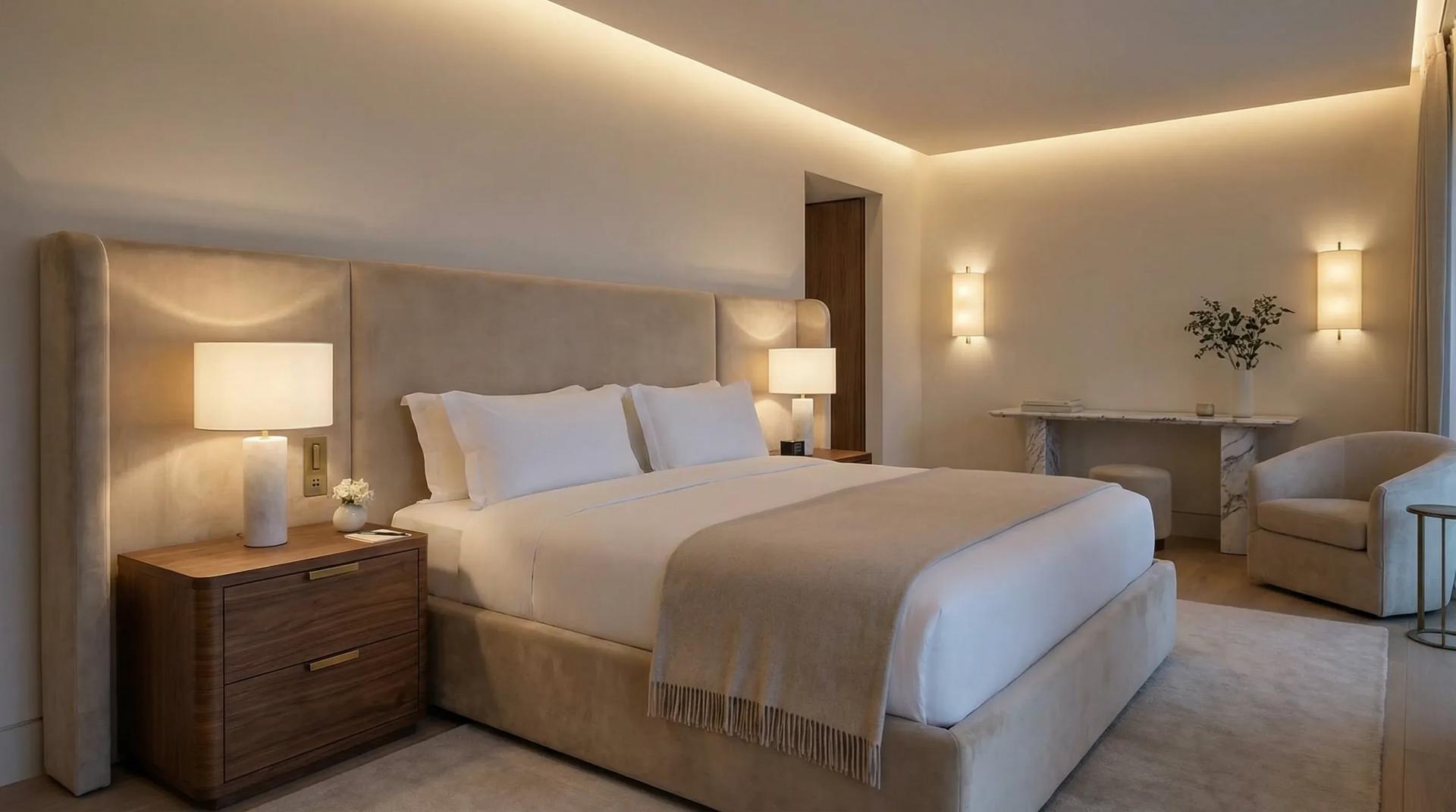
The moment you step into a hotel room, before you've truly seen anything, a feeling takes shape: luxury, mid-range, boutique? Most of that feeling comes from the furniture. Hotel furniture isn't merely decoration, it is the hospitality experience itself.
So how do you select the right hotel furniture? This guide covers the entire procurement process: durability requirements, material selection, brand consistency, budget optimization, and supplier evaluation.
The most critical mistake is choosing residential furniture for hotel use. The gap between the two categories is significant, both technically and economically.
A hotel room means 200-300 different guests using the same chair or bed per year. In residential use, the same furniture serves one household and wears far more slowly. Commercial furniture is engineered for this intensity: frame thickness, spring systems, and surface resistance follow different standards.
Hotel furniture is exposed to chemical cleaners that residential pieces typically cannot withstand. Fabric upholstery must resist disinfectants, leather surfaces must tolerate wax-based polishes, and wood surfaces must endure repeated wet/dry cycles.
Many countries require mandatory fire-retardant standards for commercial furniture materials. In Turkey, the relevant standards are TS EN 1021 and TS 5216. Always request these certifications from your supplier.
Solid wood (oak, walnut, beech): Long-lasting, high prestige perception, repairable. But costly and sensitive to humidity changes. Ideal for 4-star+, boutique, and heritage concept hotels.
MDF/HDF + veneer: Cost-effective, formable, high color consistency. Frequently preferred for standard chain hotels. Quality veneers (natural wood) can achieve a solid-wood look.
Plywood frame + MDF fill: The optimal point between durability and cost. Frames are plywood, visible surfaces are MDF. The most common combination in commercial furniture.
For hotel seating, fabric selection requires durability testing before aesthetics:
Genuine leather signals high status in hotel lobbies and restaurants. However, constant disinfectant use damages real leather. High-quality polyurethane (PU) synthetic leather is more practical in high-use areas, modern PU leather is visually indistinguishable from genuine leather and far more durable under commercial conditions.
Every element in the room must speak the same language. There should be a visual dialogue between the drawer pull finish and the bathroom fixtures, between the headboard upholstery texture and the desk lamp material. This consistency creates a "quality" perception in the guest's mind, without a single word.
The neutral-background + strong-accent-color formula works timelessly in hotel design. Neutrals (beige, gray, off-white) lead in furniture, while color appears through headboards, curtains, and accent chairs. This approach also reduces renovation costs over the years, refresh only the accent elements to update the concept.
In hotel furniture projects, supplier selection is a long-term partnership, not a one-time decision. Ask these questions during evaluation:
Manufacturing in Istanbul's Modoko district since 1981, Archidecors has completed furniture design and production for dozens of hotel projects. We provide materials meeting commercial use standards, designs tailored to your brand identity, and on-time delivery processes.
Contact us for a preliminary consultation and cost analysis for your hotel project. Whatever the scale, from a boutique stay to a 200-room hotel, visit our Modoko showroom to see our references firsthand.
From Classic to Minimalism, Art Deco to Japandi, a comprehensive guide to the most influential interior design movements worldwide.
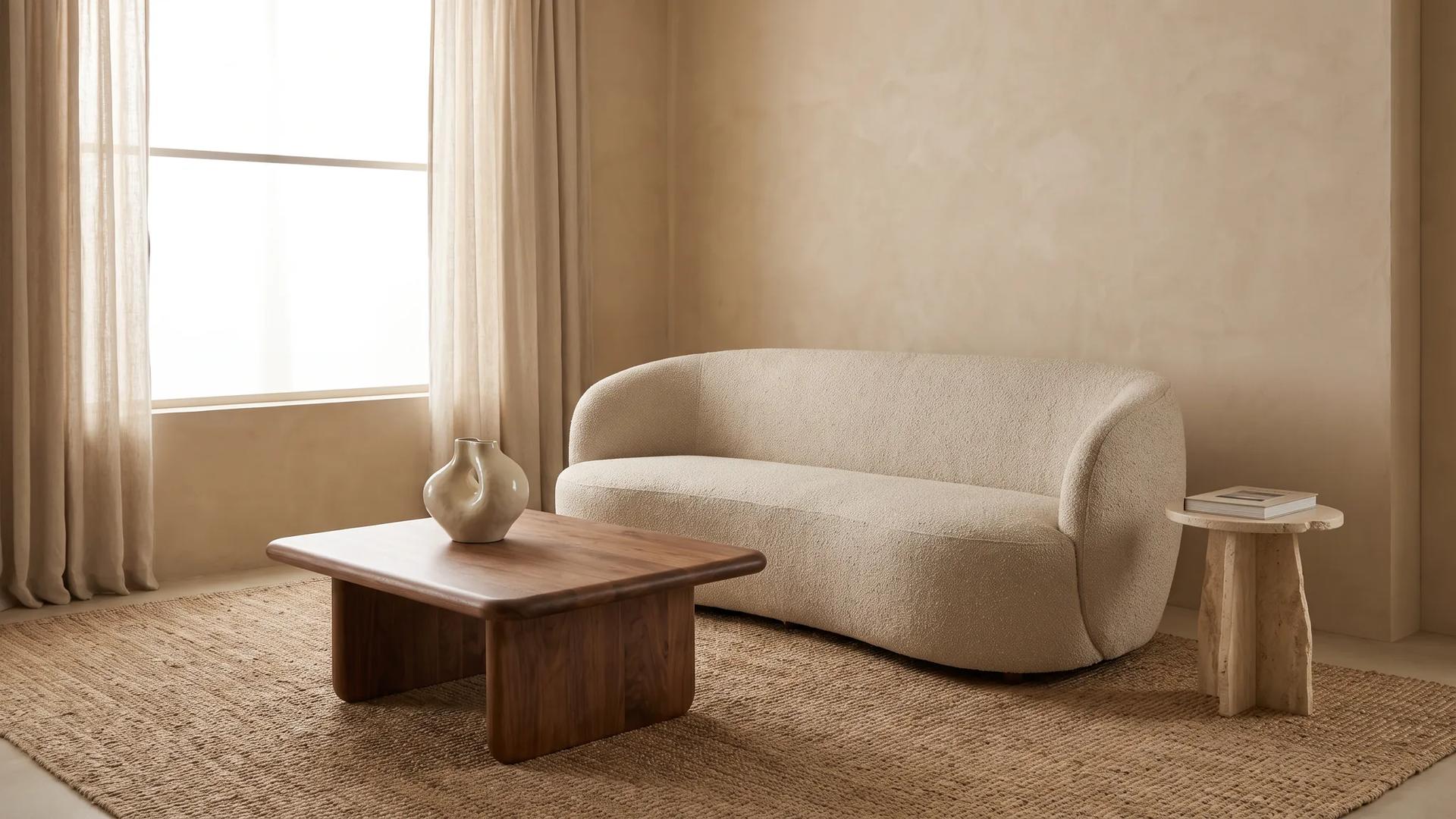
What changed in 2026 furniture trends? Warm minimalism, Japandi, organic forms and the natural materials revolution, expert analysis.
Browse our crafted furniture collection, each piece designed with the same principles discussed in this article.
Design inspiration, new collections and expert guides, directly to your inbox.
Our team of expert designers and craftsmen are ready to bring your vision to life.
Get a quote for your project
Get Quote