Design Inspiration
March 19, 202612 min
2026 Furniture Trends: Japandi Is Out, Warm Minimalism Is In
What changed in 2026 furniture trends? Warm minimalism, Japandi, organic forms and the natural materials revolution, expert analysis.
One of the most common questions we hear at our Istanbul showroom: "What do we actually want?" Sounds odd, but choosing furniture is really choosing a design philosophy. Most people are already living close to a particular style, they just don't know its name yet.
After decades in this industry, I've found that understanding these movements isn't just for designers. Knowing the difference between Japandi and Scandinavian can save you from a very expensive mistake at the furniture store.
I'll walk through each one below, with real examples. But for the impatient, the one who already says "I know which I am," here's the map up front. Which row is you?
| Movement | Era / Origin | In one line |
|---|---|---|
| Classical / Neoclassical | Greek-Roman heritage | Symmetry, carving and gold leaf; for those who love grandeur. |
| Art Deco | 1920s | Brass, velvet and geometry; for those unafraid of glamour. |
| Mid-Century Modern | 1950s | Tapered legs, walnut, clean lines; for warm simplicity. |
| Industrial | Factory / loft | Brick, metal, concrete; raw texture, needs high ceilings. |
| Scandinavian | Northern Europe | Pale wood and white; for airiness, without the chill. |
| Minimalism | Modern | Few but right pieces; for those tired of clutter. |
| Japandi / Wabi-Sabi | Japan + Scandinavian | Low, natural, imperfection-friendly; for calm. |
| Mediterranean | Aegean-Mediterranean | Travertine, stone, earth tones; to bring the sun home. |
| Boho | Bohemian / eclectic | Rattan, kilim, layers; but loyal to one palette. |
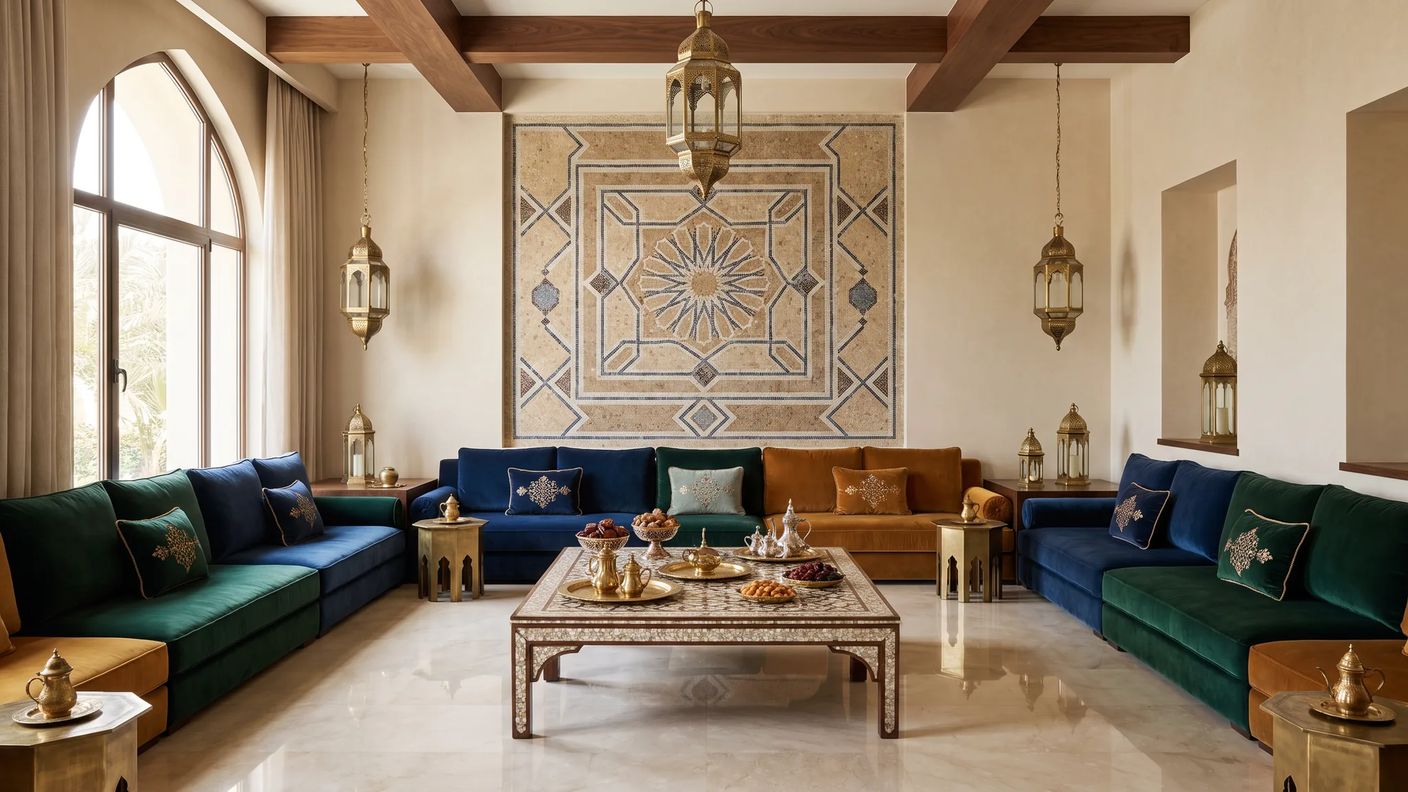
| Middle Eastern | Gulf aesthetic | Marble, mosaic, mother-of-pearl; richness carried with skill. |
You can't understand today's trends without knowing where they came from. But I'll skip the textbook version and focus on what actually matters for furniture.
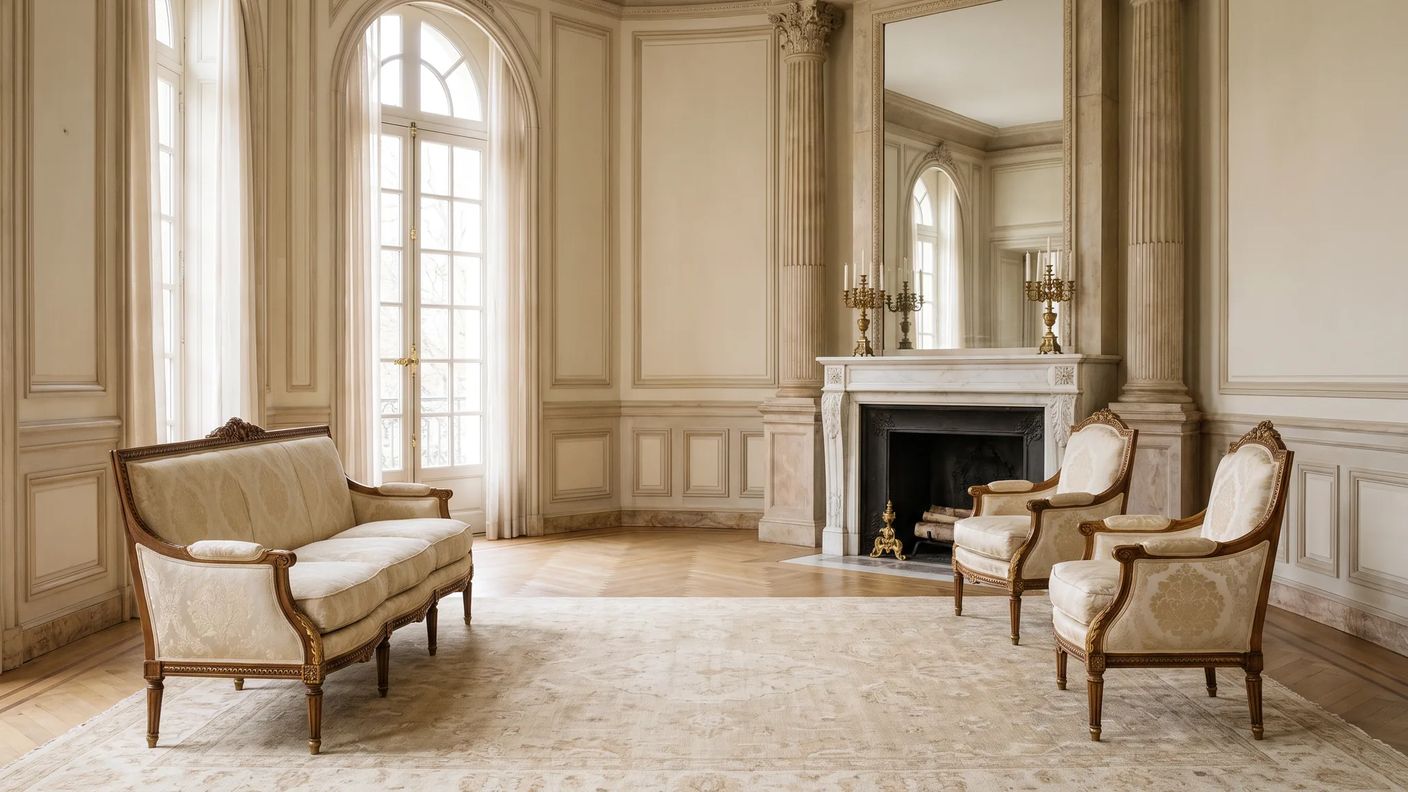
Classical and Neoclassical is all about symmetry. Greek columns, Roman arches, the whole deal. There's still demand for this, especially for large formal living rooms. But fair warning: real classical furniture production requires serious craftsmanship. Hand-carved details, gold leaf, all by hand. There's no such thing as cheap classical furniture, if you see it, run.
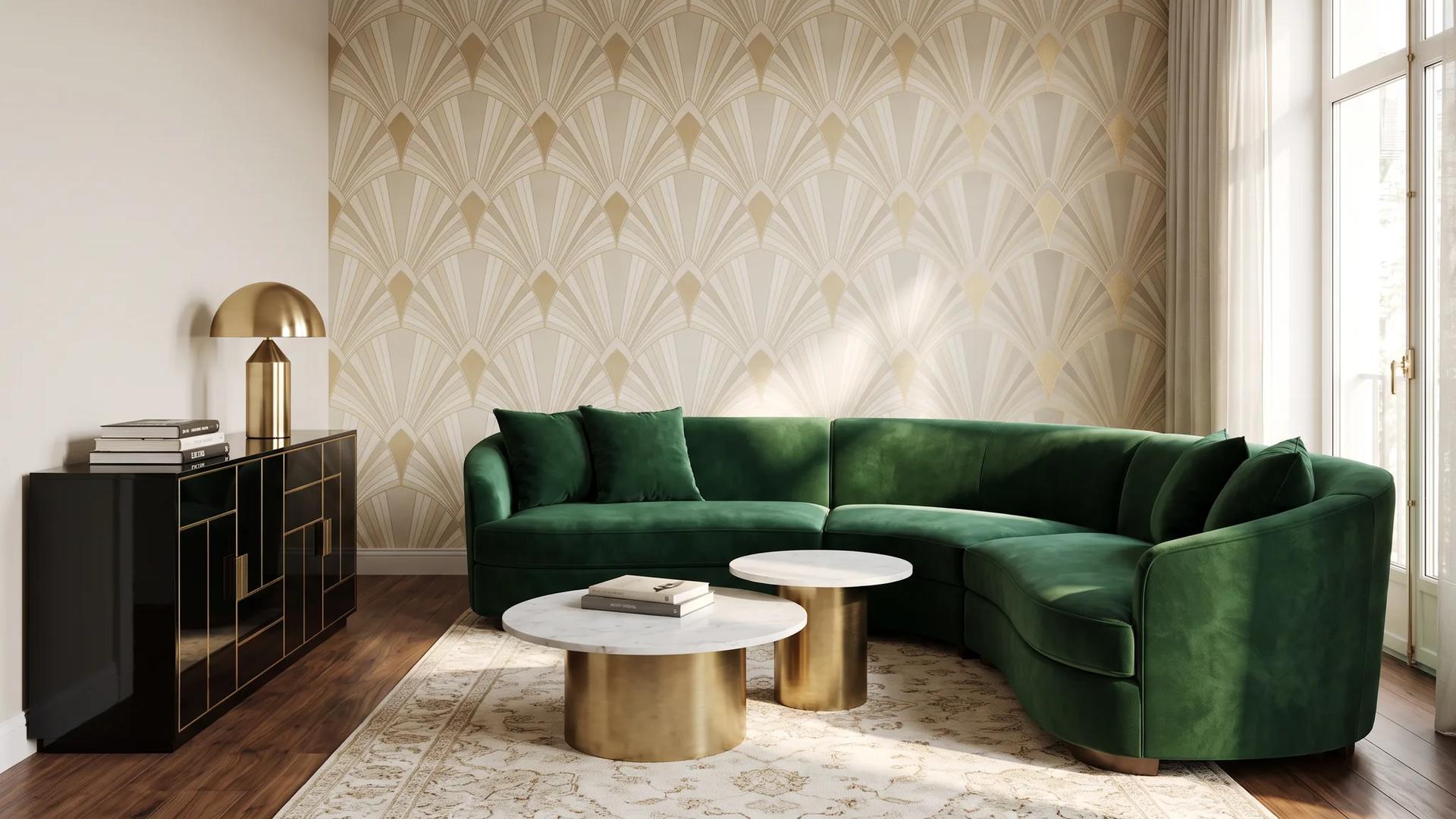
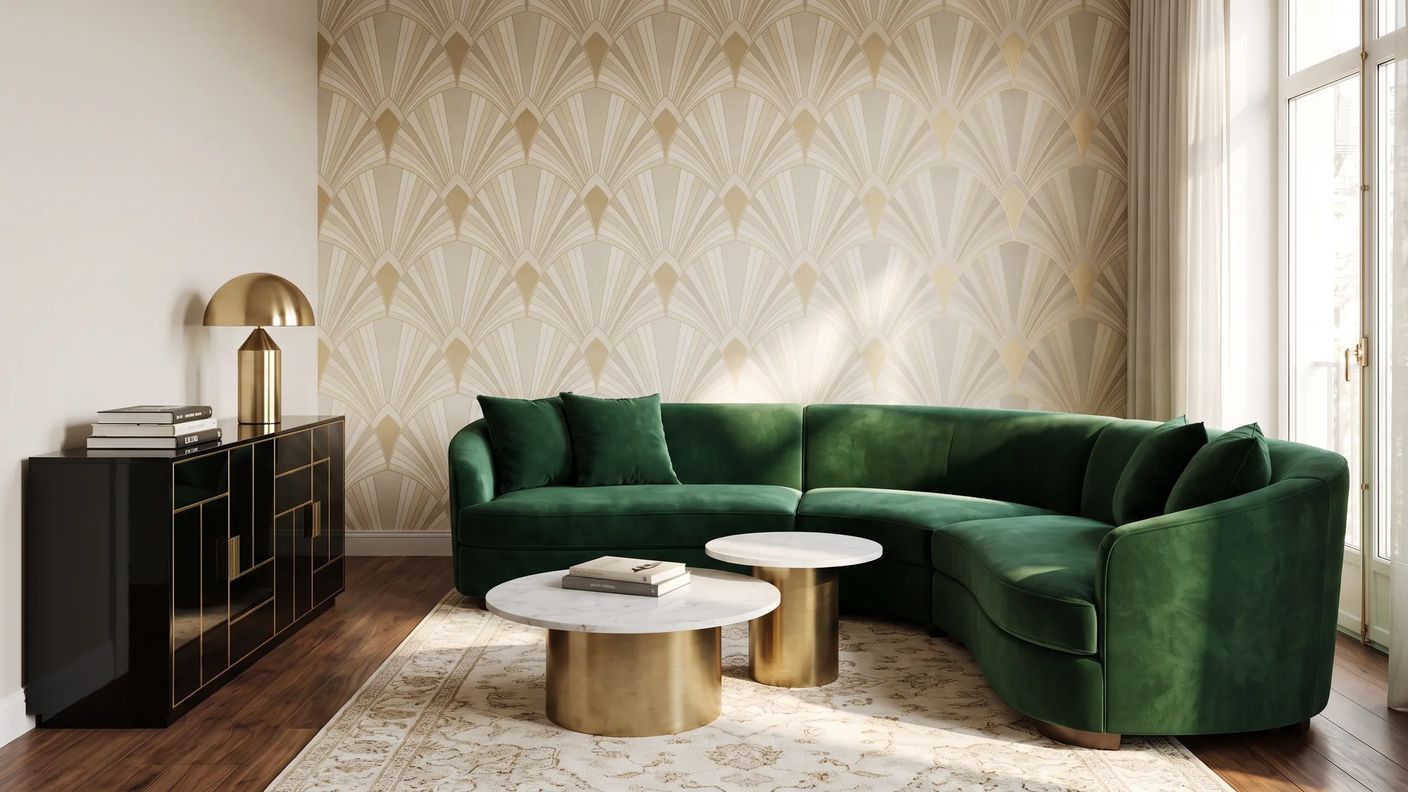
Art Deco might be the most stylish historical movement, in my opinion. Think 1920s Gatsby aesthetic: geometric forms, glossy lacquer surfaces, brass accents. It's made a strong comeback recently, especially in coffee table and console designs.
Art Nouveau is a completely different world. Nature-inspired curves, floral motifs, organic flowing lines. Difficult and expensive to execute in furniture, which is why genuine Art Nouveau pieces are practically collector's items.
Baroque and Rococo deserve a mention too. Baroque's dramatic, over-the-top, gold-leafed world found its echo in Ottoman palace interiors. Rococo is its lighter, more delicate sibling, pastel tones, curved lines. Pure Baroque requests are rare these days, but baroque details still show up in classic-modern hybrid projects.
Now let's talk about what you'll actually encounter today.
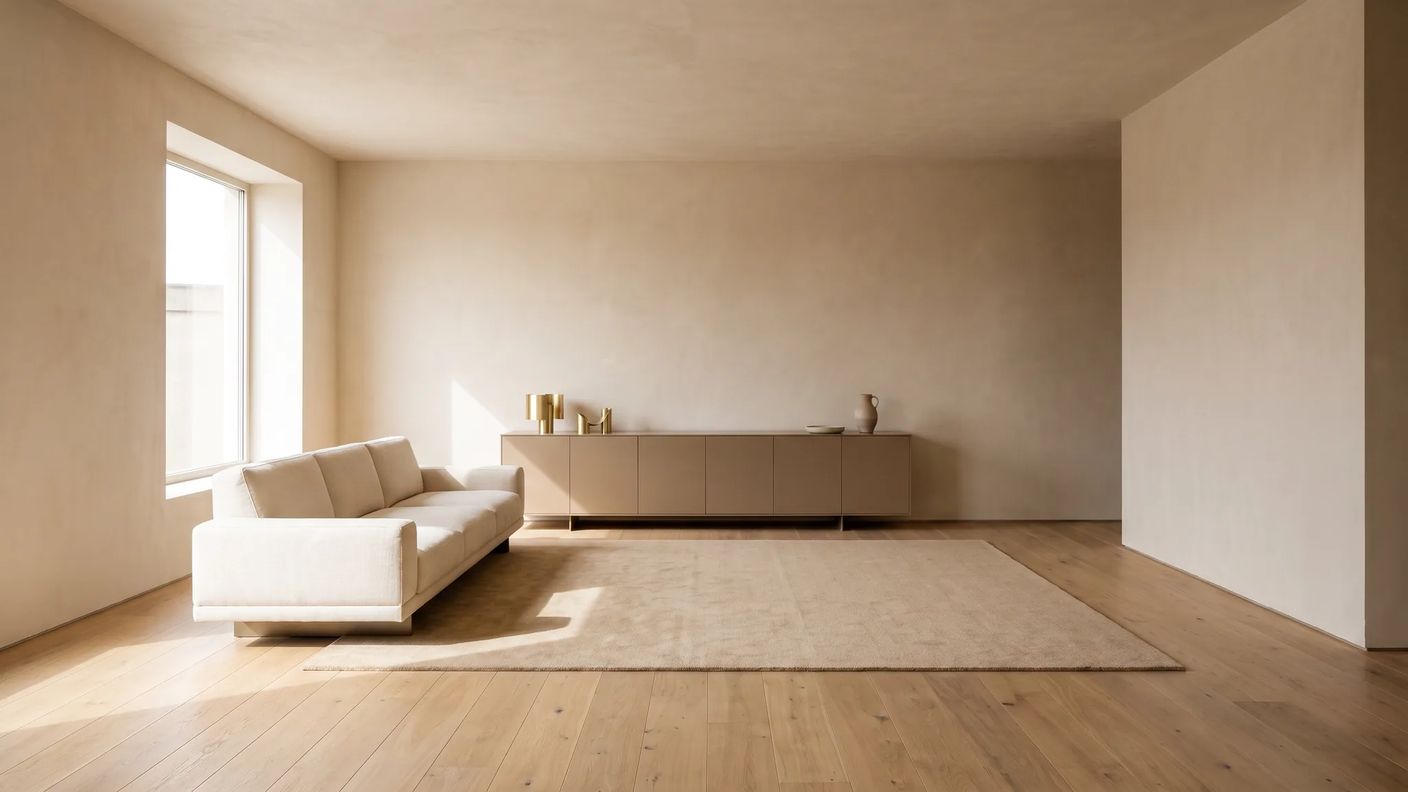
Minimalism, everybody knows it, most people get it wrong. Minimalism doesn't mean "few pieces of furniture." It means "the right pieces." You can have three items in a room, but each one needs to be flawless. This is where custom furniture becomes essential, because in a minimalist room, a mediocre piece has nowhere to hide.
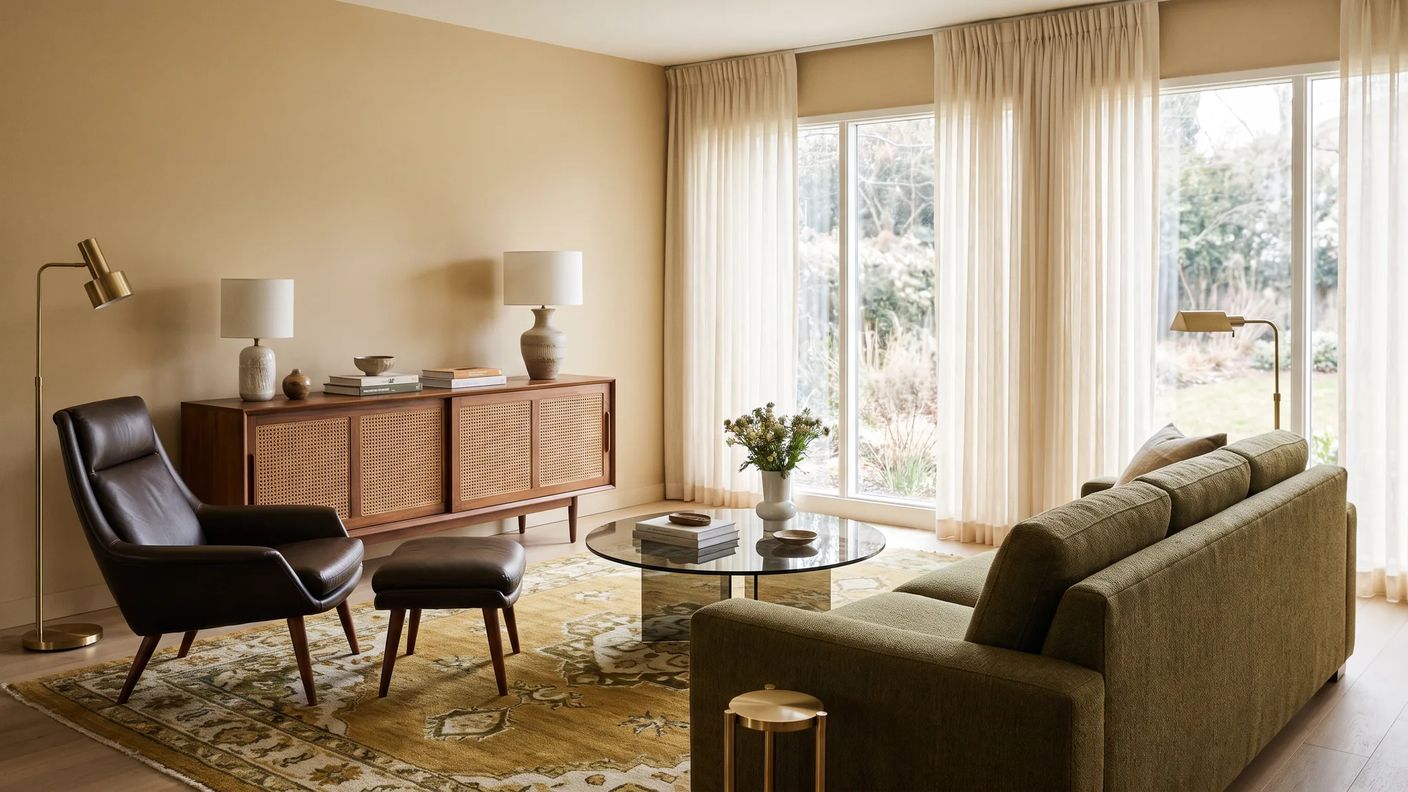
Mid-Century Modern remains hugely popular. Clean lines from the 1950s, tapered legs, walnut and teak. IKEA brought this style to the masses, but the real deal, solid wood, leather, natural textures, is in a different league entirely.
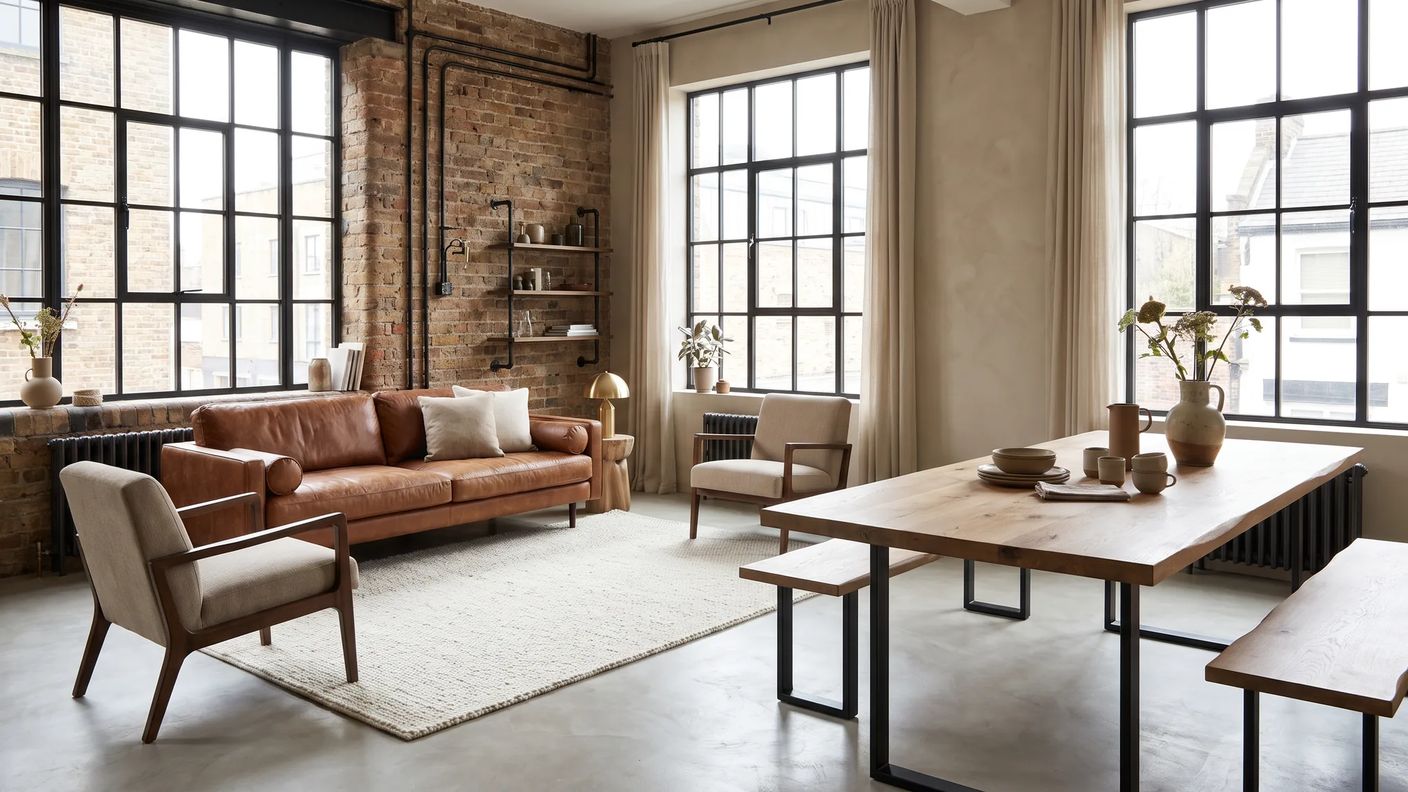
Industrial style exploded in the last decade. The old factory aesthetic: exposed brick, metal pipes, raw wood. Looks amazing in loft apartments, but trying to force it into a standard apartment? Tricky. You need high ceilings and large windows, otherwise it feels cramped.
Scandinavian design prioritizes light colors, functionality, and natural materials. Born from Northern Europe's low-light climate, that's why whites and pale tones dominate. Very popular in Turkey too, but one warning: go full Scandinavian without adding warmth, and your living room starts looking like a hospital ward.
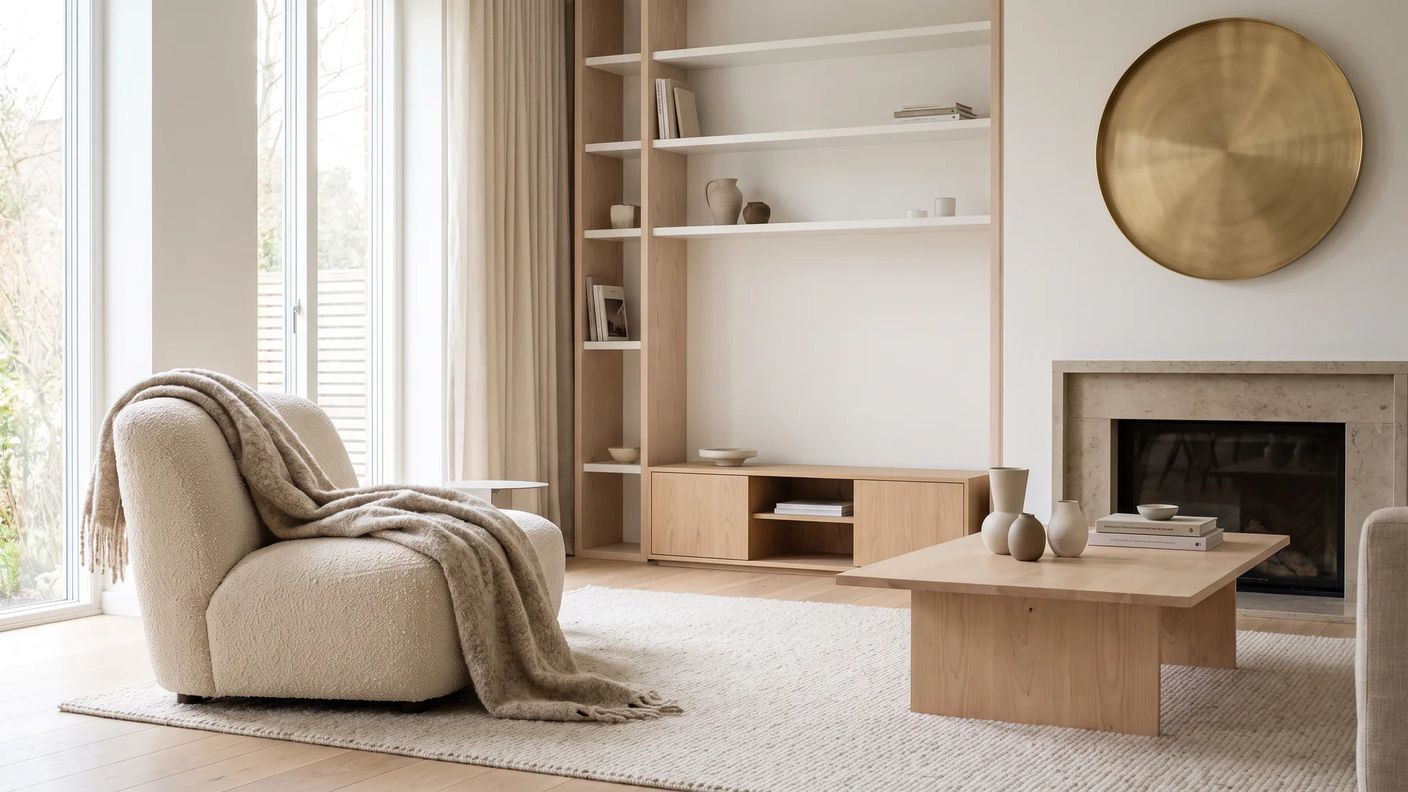
Japandi merges Japanese and Scandinavian aesthetics. Both love simplicity, both value natural materials, so the combination feels remarkably cohesive. Low-profile furniture, light wood tones, minimal decoration.
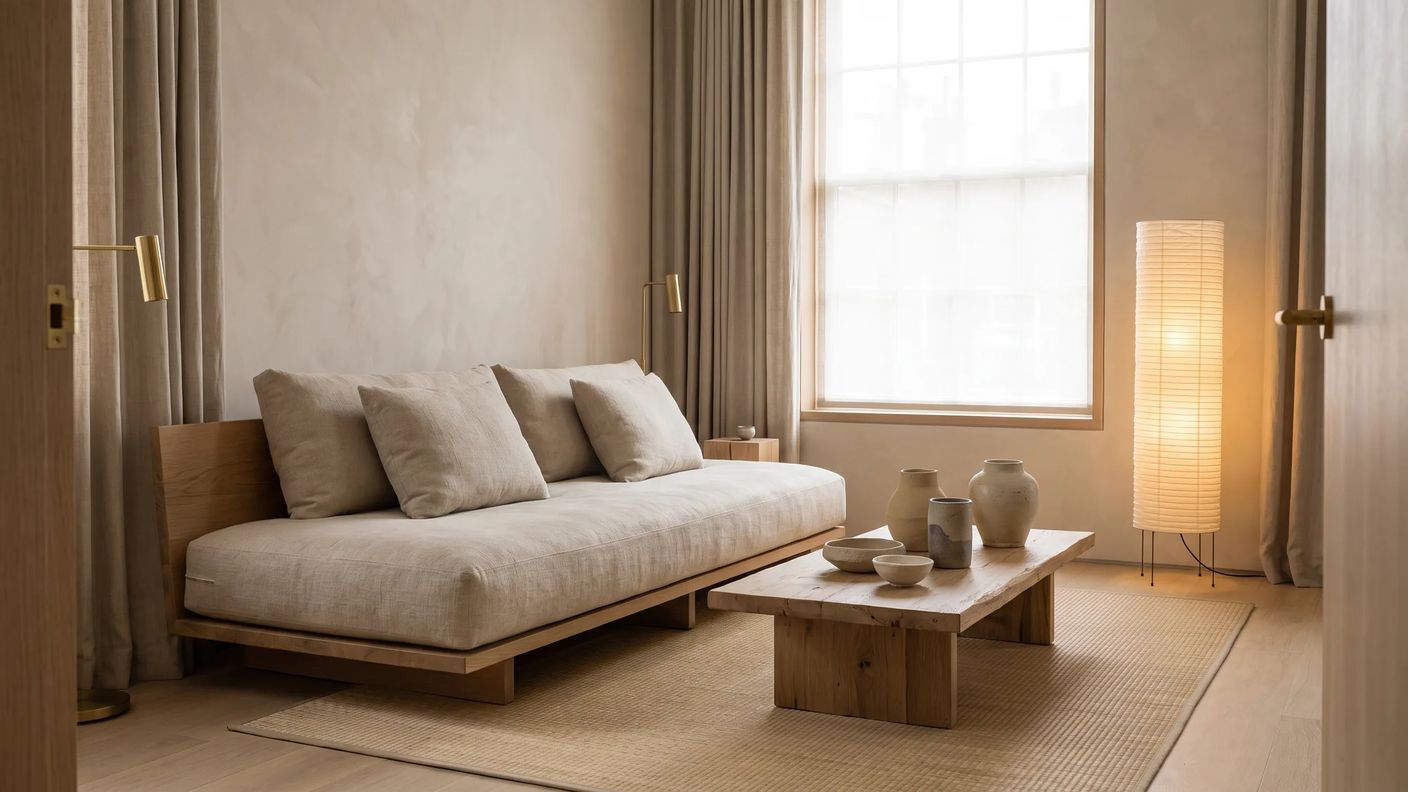
But Japandi's real beauty lies in the wabi-sabi philosophy: embracing imperfection. A knot in the wood, a slight asymmetry in the ceramic, a wrinkle in the linen, these aren't flaws, they're character. This philosophy is incredibly valuable in custom furniture because every piece gets its own unique story.
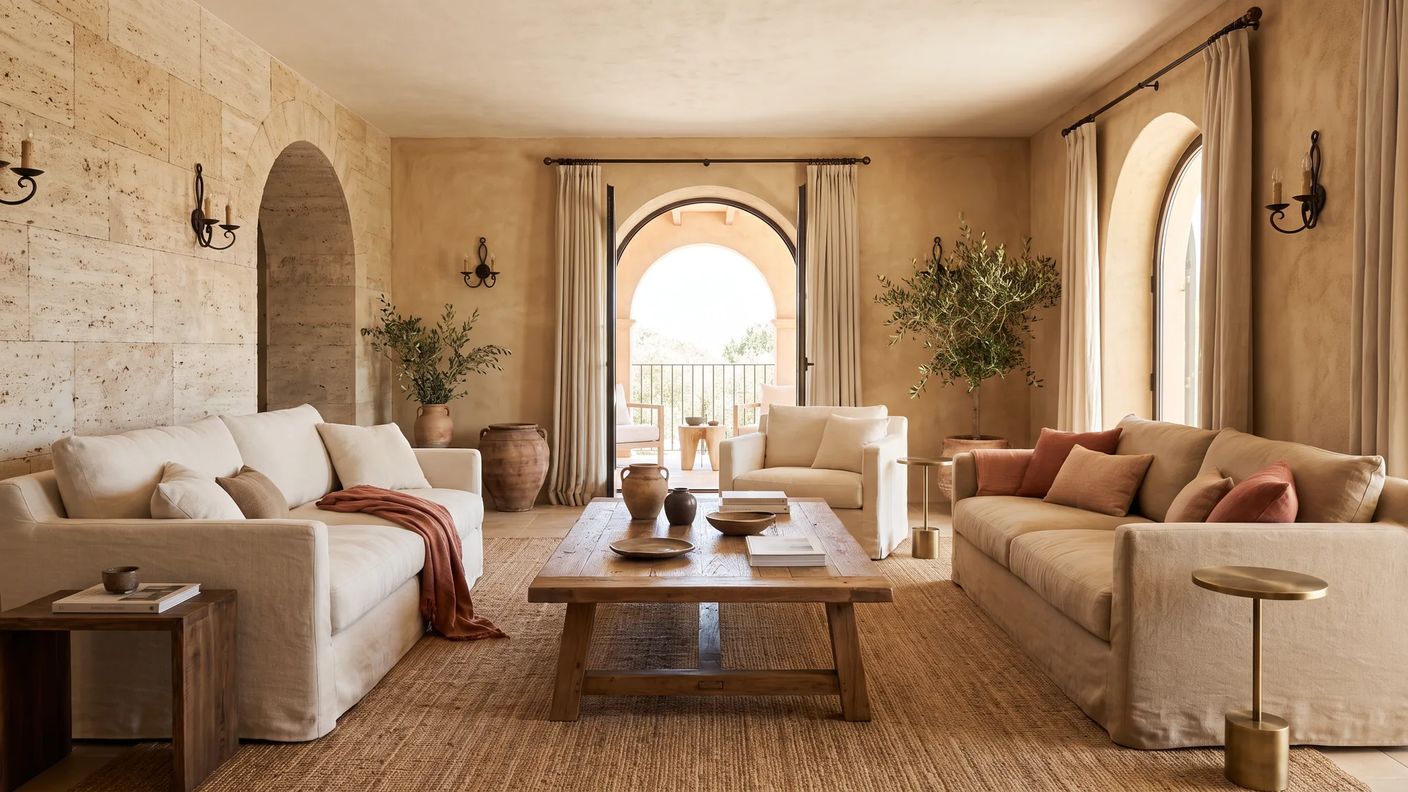
Mediterranean style fits Turkey naturally, it's born from this geography. Warm earth tones, natural stone, rough-textured wood, wrought iron details. From Aegean summer houses to Bodrum villas, you see this aesthetic everywhere here.
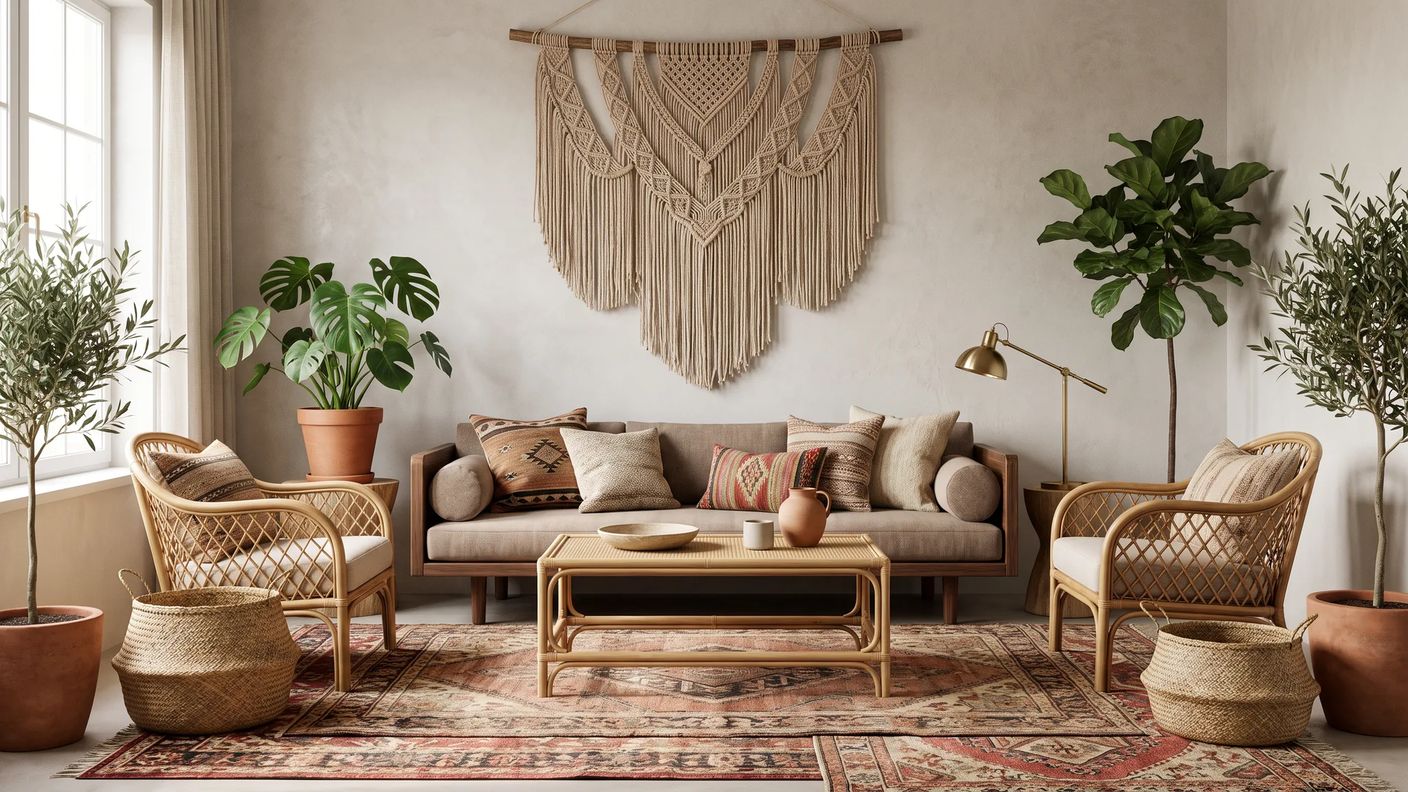
Boho (Bohemian) has gotten very popular, especially among younger couples. It's an eclectic approach, mixing pieces from different cultures. Kilims, macramé, rattan furniture. Beautiful style, but without control it turns into chaos. My advice: pick a color palette for your boho space and stick to it.
Middle Eastern aesthetics bring their own richness. Mosaics, geometric patterns, layered textiles. Companies manufacturing for Gulf countries (us included) have built serious expertise in this area. We use these details frequently in our Qatar and Dubai projects.
Honestly, there's no single right answer. But after years of experience, here's what I can tell you: you don't have to commit to just one movement. Most beautiful homes are actually a balanced mix of several styles.
A good home never surrenders to a single movement. It mixes a few in the right proportion, and the rest is nerve.
You could place an Art Deco coffee table in a minimalist living room, that contrast looks fantastic. Or add a few Middle Eastern patterned cushions to a Scandinavian bedroom. What matters is consistency and balance.
Theory is nice, but when people ask "what do the best interior design examples actually look like?", they want to see it. So here is how the movements above translate into real interiors. These observations come from our own work; browse our completed projects and compare.
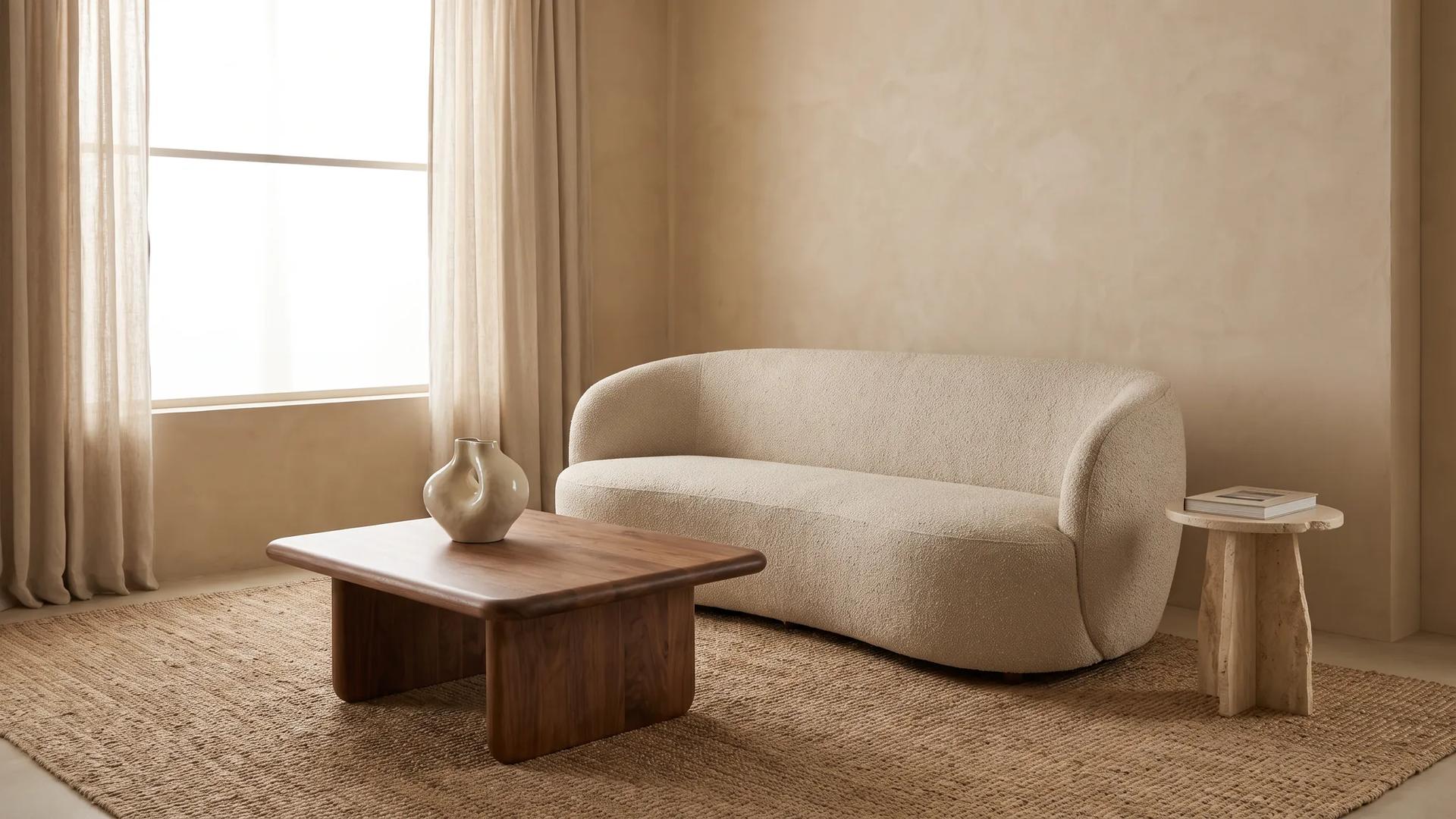
Modern and minimalist examples: In a good modern interior, a single strong seating group anchors the living room and everything else breathes. The 450-square-meter villa we delivered in Zekeriyaköy is a living example: warm minimalism built on American walnut, travertine and bouclé. Don't picture cold white boxes when you hear "modern", with the right materials a modern space feels genuinely inviting.
Japandi and wabi-sabi examples: The best applications of this movement show up in bedrooms: a low-profile bed, light oak tones, minimal accessories. When choosing bedroom furniture, look for low headboards and natural wood detailing. With so few pieces in a Japandi room, craftsmanship is fully exposed; production quality has nowhere to hide in this style.
Mediterranean and boho examples: From Aegean summer houses to Bodrum villas, the formula is similar: a solid wood dining table, natural stone surfaces, rattan and wicker textures, earth tones. On the boho side, the most successful examples stick to a single color palette; when the kilim, macramé and rattan all come from the same palette, you get character instead of chaos.
Mid-century and Scandinavian examples: Tapered walnut legs, clean lines, light walls. The best examples balance the warmth of dark wood against the airiness of white walls. In Scandinavian-inspired rooms, the textile layer (a wool throw, a bouclé armchair, linen curtains) is what saves the space from hospital sterility.
Art Deco and classical touches: Demand for purely classical homes has faded, but the modern living room with Art Deco touches is very much alive: brass-legged coffee tables, lacquered consoles, velvet armchairs. The right dose: one or two Art Deco pieces per room, keep the rest simple.
Middle Eastern and hospitality projects: We produce the largest-scale examples of this aesthetic in hotel and villa projects. We produced villa furniture for Katara Hills Hilton in Doha and documented the 12-month delivery as a case study. We also handled loose furniture supply for Grand Soho Hotel in New York. Two projects, two geographies, one common thread: deepening a style through material and craftsmanship instead of copying it on the surface.
Search for "interior design ideas" and you mostly get advice that is either too generic or budget-blind. The 10 ideas below map directly to the movements above, and every one of them works in an existing home, no walls need to come down.
Not sure which of these fits your space? Send your measurements and inspiration images through our quote page, or simply get in touch, and we'll narrow it down together.
In interior design, choosing a movement really means choosing a material palette. The quickest way to cut through the confusion is the table below: each movement's signature materials and our detailed guides, in one place. You can see the full range with samples on our materials page.
| Movement | Signature Materials | Detailed Guide |
|---|---|---|
| Minimalism | Matte lacquer, light oak, glass, matte metal | Materials page |
| Japandi / Wabi-Sabi | Natural oak, linen, handmade ceramics | Wood types guide |
| Mid-Century Modern | Walnut, teak, leather, smoked glass | Wood types guide |
| Scandinavian | Maple, light oak, wool, bouclé | Fabric selection guide |
| Art Deco | Brass, high-gloss lacquer, velvet, marble | Brass guide |
| Classical / Neoclassical | Carved solid wood, gold leaf, jacquard fabric | Fabric selection guide |
| Industrial | Raw wood, black metal, concrete-effect surfaces | Materials page |
| Mediterranean | Travertine, natural stone, rough-textured wood, wrought iron | Turkish stone guide |
| Boho | Rattan, wicker, kilim weave, macramé | Materials page |
| Middle Eastern | Marble, mosaic, layered textiles, mother-of-pearl inlay | Marble guide |
One last piece of advice: never make a material decision from a catalog photo. The tone of wood, the hand-feel of fabric, the veining of stone, they are all different on screen than in your hand. We have been in production since 1981; at our Modoko showroom and our 1,200-square-meter production facility, you can touch every one of these materials before you decide.
When you visit the showroom, you don't need to say "apply this specific movement." Just bring photos that inspire you, images you love, we can identify which styles intersect in your taste and design accordingly.
What changed in 2026 furniture trends? Warm minimalism, Japandi, organic forms and the natural materials revolution, expert analysis.
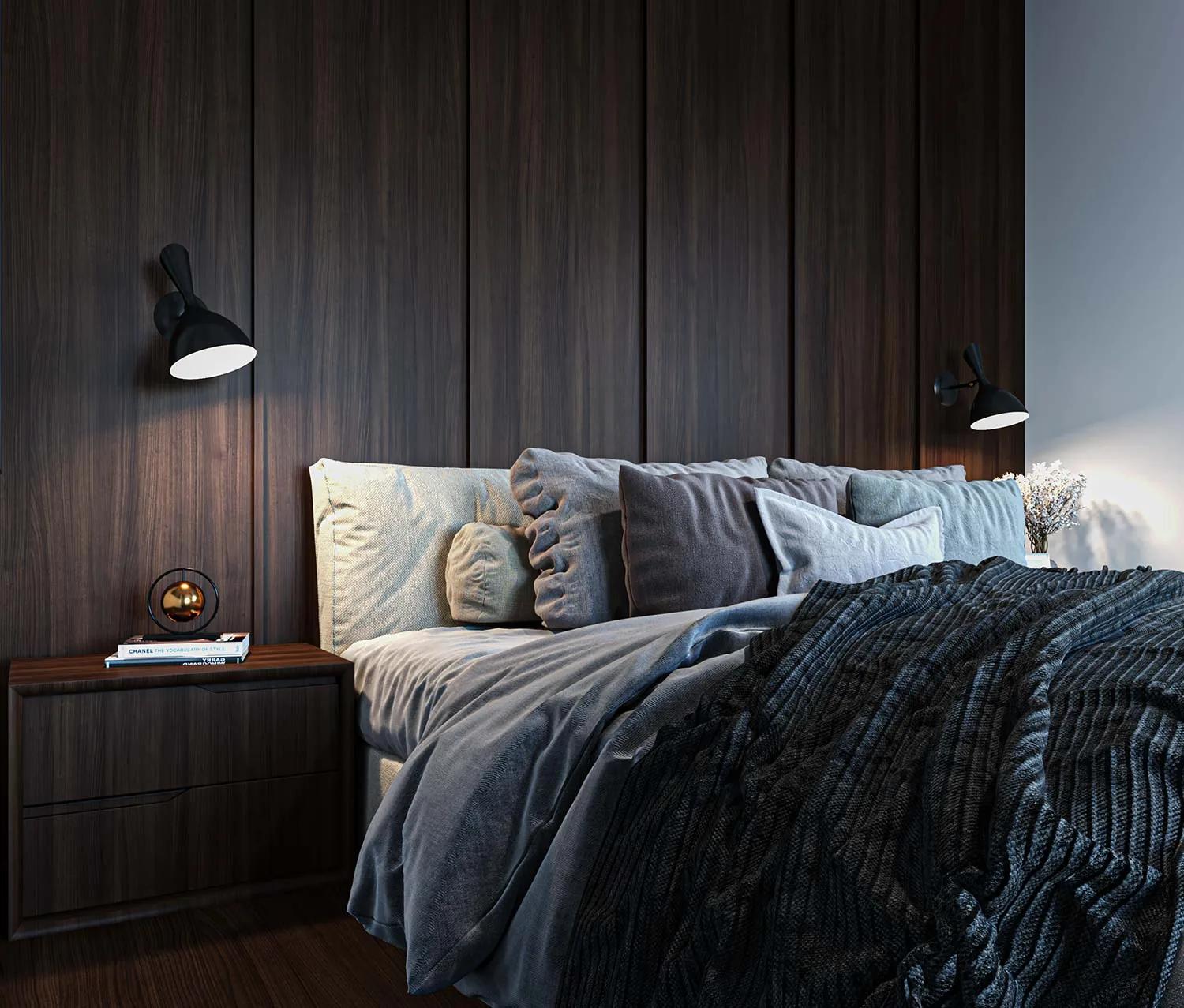
Our Zekeriyaköy villa design project: warm minimalism with American walnut, travertine and bouclé across a 450 m² home. Process, materials, room-by-room decisions.
Browse our crafted furniture collection, each piece designed with the same principles discussed in this article.
Design inspiration, new collections and expert guides, directly to your inbox.
Our team of expert designers and craftsmen are ready to bring your vision to life.
Get a quote for your project
Get Quote