Every year the same question: "What's trending?" But 2026 feels different, we're at a genuine turning point. Cold, sterile minimalism has run its course. Trust in synthetic materials is fading. Ostentatious luxury is giving way to conscious elegance. We see it clearly in customer requests at our Istanbul showroom, people want "better," not "more."
Warm Minimalism: Redefining Less
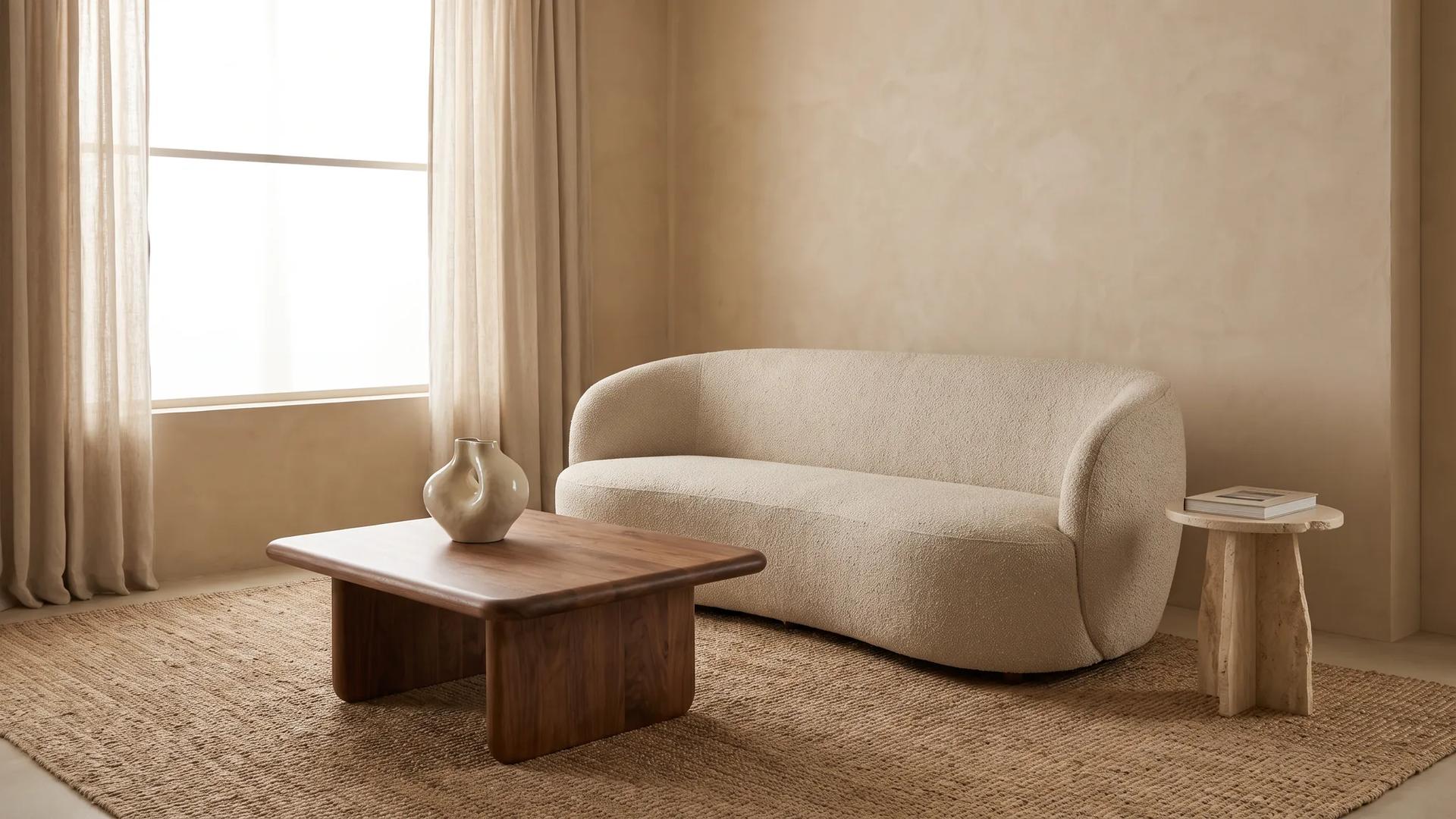
Minimalism did not die, it evolved. The white-walled, near-empty spaces of the early 2020s have been replaced by "warm minimalism," an approach that preserves the principle of restraint while infusing spaces with soul and warmth.
Core principles of warm minimalism:
- Every piece is chosen with intention, not merely decorative but carrying functional and emotional value
- Natural textures and materials take centre stage, raw wood, linen, wool, stone
- The colour palette is neutral but never cold: cream, beige, caramel and earth tones dominate
- Light and shadow play define a room's character
- Handcrafted and artisanal objects are given special prominence
This trend is particularly visible in living spaces. Seating groups favour soft, inviting lines over sharp corners; dining tables showcase brushed solid wood surfaces rather than glossy lacquer. Furniture is no longer just an object, it is the element that defines the soul of a living space.
The Natural Materials Renaissance
Perhaps the most powerful trend of 2026 is the return to natural materials. Consumers, weary of the homogeneous perfection of industrial production, are seeking the story, texture and character of materials.
Solid Wood: The Return of the King
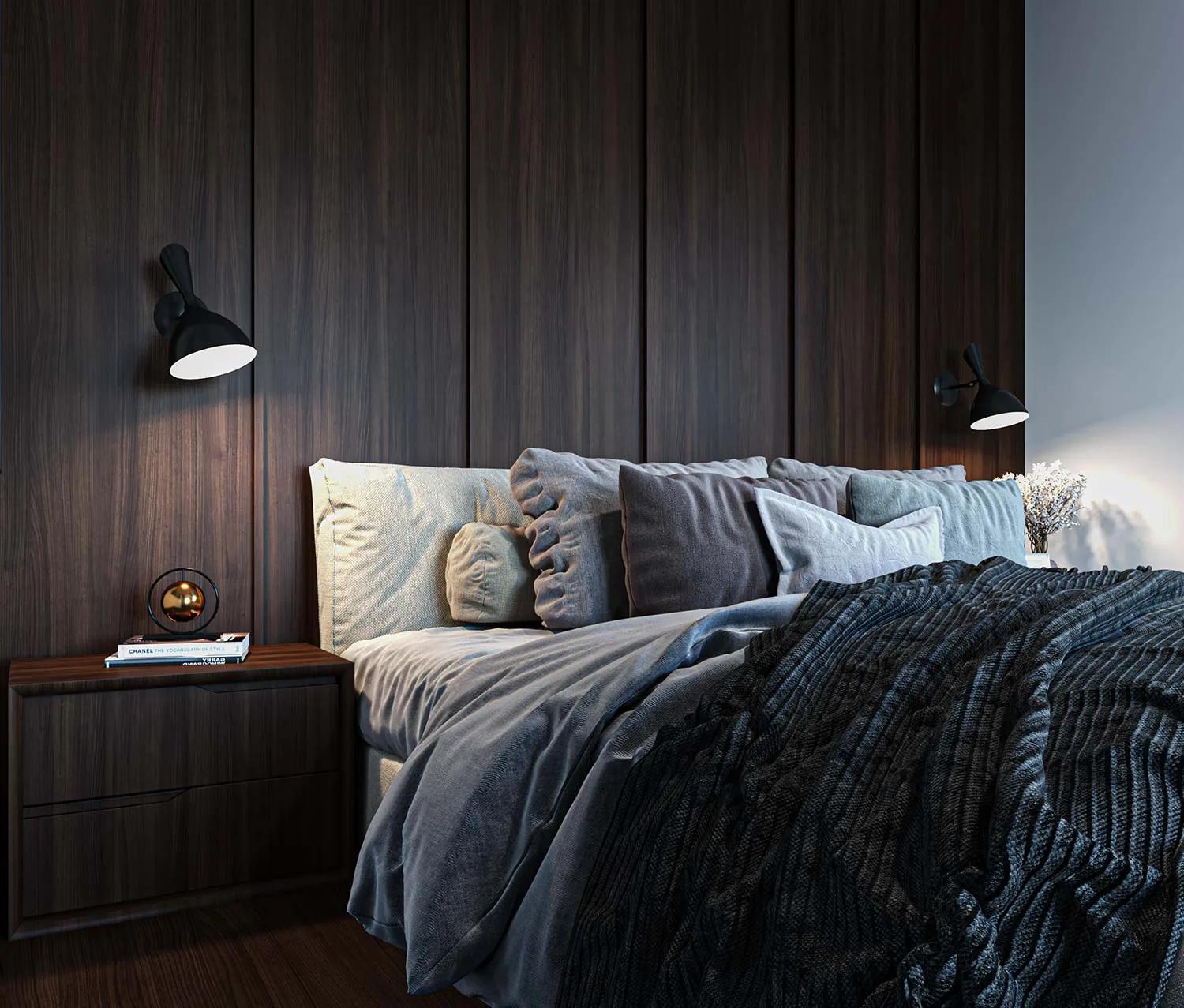
Solid wood continues to be the undisputed star of furniture design. However, in 2026, wood usage is evolving: alongside classic species like oak and walnut, lesser-known timbers are stepping into the spotlight. We are in an era where natural grain patterns and knots are celebrated not as flaws but as character.
FSC-certified wood has become not a preference but a necessity. The conscious consumer questions where their furniture's timber originates and whether that forest is sustainably managed. This, in turn, is pushing manufacturers towards transparency in their supply chains.
Natural Stone: Travertine and Marble
Travertine is one of 2026's most popular surface materials. With its warm beige tone and naturally porous texture, it sits easily in warm minimalist rooms. Marble, meanwhile, retains its classical elegance while appearing in more refined applications, thin marble coffee table tops, wall panels and even lighting accessories.
The marriage of natural stone and furniture is also creating intriguing new forms: coffee tables combining wood and travertine, dining tables with marble bases, and consoles with stone detailing are among 2026's most sought-after pieces.
Natural Textiles: Linen, Wool and Bouclé
The shift from synthetic fabrics to natural fibres is accelerating. Linen is in high demand as upholstery and curtain fabric in living spaces. Its creases are no longer seen as a flaw but as an expression of naturalness. Wool adds warmth, particularly in rugs and accessories.
Bouclé fabric continues its reign as one of the defining textiles of recent years. With its curly, textured structure offering both visual and tactile richness, bouclé is especially popular for accent chairs and armchairs. In 2026, however, bouclé is evolving into a more sophisticated form, appearing in neutral tones, finer textures and modern silhouettes.
The 2026 Colour Palette: Earth and Nature
Colour trends are running parallel to material trends. The 2026 palette draws inspiration from nature and carries a strong connection to the earth:
- Warm Whites: The era of icy white is over. Cream, bone white and ivory tones are softening spaces
- Earth Tones: Caramel, tan, dark beige and brown tones dominate furniture and textiles
- Terracotta: Carrying the warmth of the Mediterranean, terracotta stands out in accessories and accent pieces
- Sage Green: This nature-connected, calming tone is particularly popular in kitchen and bathroom furniture
- Deep Navy: A dramatic yet sophisticated alternative, especially favoured in library and home office furniture
This palette works best when layered within a single room. Light-toned walls, mid-toned furniture and dark accent pieces, this triad is the 2026 interior formula.
Curves and Organic Forms
Sharp geometric lines are giving way to soft curves and organic forms. This trend is not merely an aesthetic choice, it is also a reflection of a psychological need. Research shows that soft contours have a calming effect on human psychology.
In 2026 furniture design, this trend manifests as follows:
- Round and oval dining tables are overtaking sharp-cornered rectangular ones
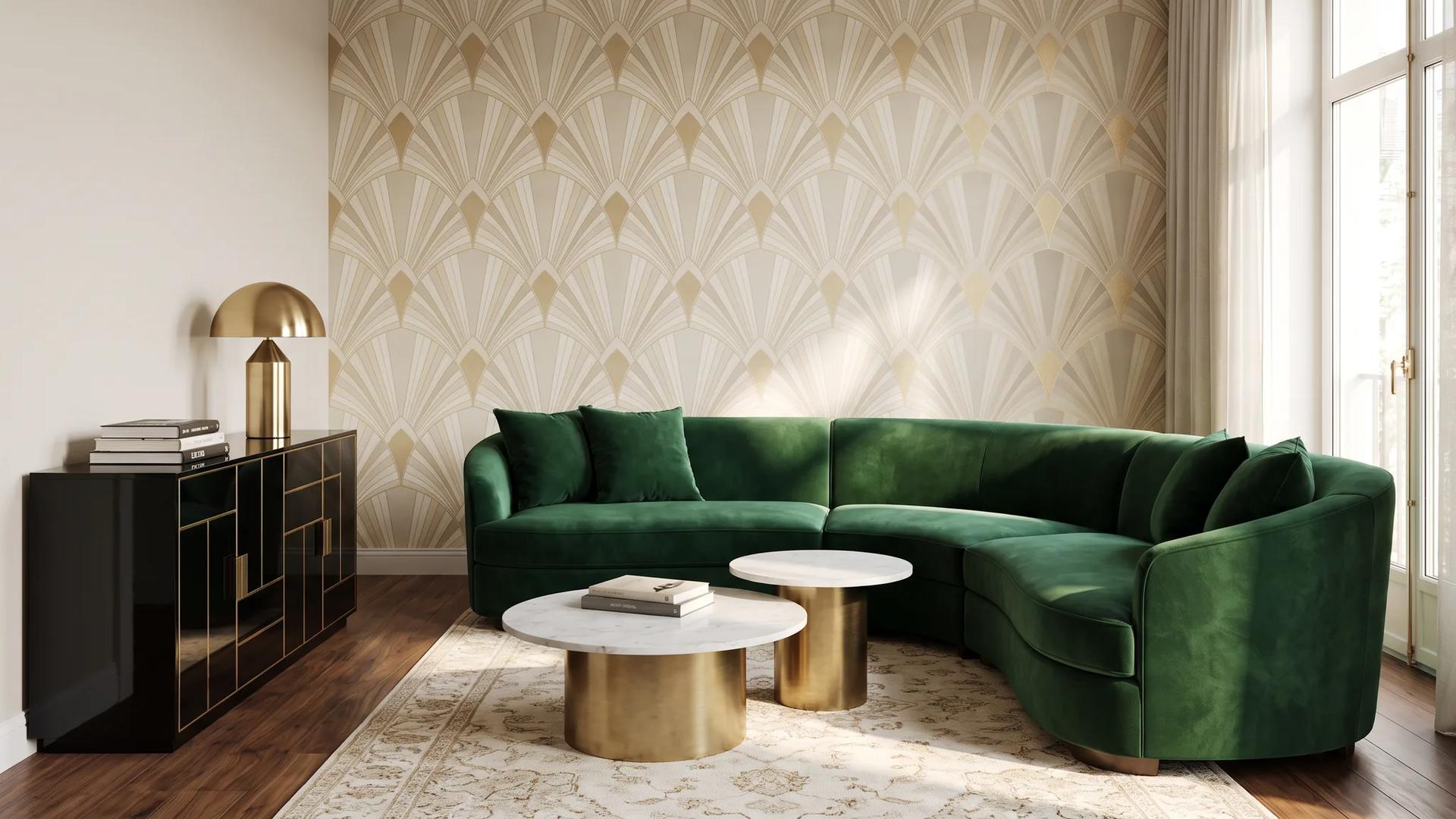
- Curved sofas and armchairs are taking centre stage in seating arrangements
- Asymmetric coffee tables and consoles add character to spaces
- Soft-cornered cabinet and console designs are becoming widespread
Organic forms create a particularly powerful effect when combined with natural materials like wood and stone, bringing nature's formal language into interior spaces.
Japandi: Where East Meets West
Japandi, the meeting of Japanese aesthetics and Scandinavian design philosophy, remains one of 2026's most enduring trends. This movement brings together the shared values of both cultures: simplicity, functionality, natural material use and mindful living.
Key characteristics of Japandi furniture:
- Clean, low-profile lines, floor-hugging platforms and low-slung furniture
- A balance of light-toned wood (maple, ash, light oak) with dark accents
- Minimal decoration, maximum function
- Wabi-sabi philosophy: acceptance of beauty in imperfection, valuing handmade textures and natural patinas
- Use of negative space to create a sense of breathing room
The reason Japandi has proven so enduring is that it offers a life philosophy beyond a superficial aesthetic trend. Less but better, quality without ostentation, these values align perfectly with the spirit of 2026.
Multifunctional Furniture: An Urban Necessity
Living spaces in major cities continue to shrink. Istanbul, London, Tokyo, as the price per square metre rises worldwide, furniture designers are compelled to create smarter solutions.
2026's multifunctional furniture trends:
- Hidden storage: Seating benches, under-bed drawers and wall units with integrated storage solutions
- Transformable pieces: Consoles that convert into desks, sofas that become beds, but now without sacrificing design
- Modular systems: Units that can grow or shrink to need, used in different configurations
- Smart integration: Wireless charging stations, concealed cable management systems and built-in lighting
What matters is that multifunctional furniture no longer compromises on aesthetics. The "practical but ugly" mentality of the past is history; in 2026, function and beauty go hand in hand.
Statement Lighting: Light as Art
Lighting has become an inseparable part of furniture design in 2026. Chandeliers and lamps are no longer mere light sources, they are a room's sculptural focal point.
Notable lighting trends:
- Organic-form chandeliers: Large-scale fixtures reminiscent of branches, leaves or natural forms
- Natural-material lamps: Shades crafted from paper, bamboo, linen and ceramic
- Sculptural pendants: Statement pendants that stand as art pieces in their own right, defining a room's character
- Warm light temperature: Warm white light in the 2700K-3000K range adds serenity and intimacy to spaces
Lighting selection is now as important as the furniture project itself. The right statement fixture can transform an ordinary room into an unforgettable space. Curtains, lighting and rugs are not our line of work. On a project you choose them with your interior designer, and we build the furniture to sit well with that choice.
Sustainability: Not a Choice, a Responsibility
In 2026, sustainability is no longer a marketing tool but an industry imperative. The conscious consumer questions the environmental footprint of their furniture and demands transparency from manufacturers.
Core elements of sustainable furniture production:
- FSC-certified wood: Traceable timber sourced from responsibly managed forests
- Low-VOC paints and finishes: Water-based and natural oil-based surface treatments that protect human health and the environment
- Design for longevity: Furniture built on quality rather than fashion, made to last for generations
- Local production: Manufacturing that reduces the carbon footprint and sustains local craft traditions
- Repairable construction: Modular designs that are easy to repair and refurbish rather than discard
This transformation is also strengthening the concept of "slow furniture." Conscious investment over fast consumption, value over cheapness, lasting design over passing trends. That philosophy is redefining what luxury means in 2026.
Since 1981: Where These Trends Meet Our Production
We have been making bespoke furniture in Istanbul since 1981, so many of these trends are not news to us. Solid wood, natural materials, handwork and pieces designed for one client's room are what the business was built on, long before anyone called them a trend.
Here is how the 2026 trends show up in what we make:
- Solid oak, walnut and beech production, with FSC-certified timber sourced on request
- Marrying warm minimalist aesthetics with PVD-coated stainless steel metal detailing
- Combining natural stone and wood in bespoke pieces drawn for a single room
- Bringing organic forms to life with CNC precision and our craftsmen's hand finishing
- Applying low-VOC, eco-friendly surface finishes
- Designing every project specifically to our client's space, style and needs
Luxury here is not a logo or a price tag. It is the material itself, the finesse of the work and a design you will still want in ten years, and that is what the 2026 trends keep pointing back to.
Start With the Piece You Touch Every Day
If one trend here stayed with you, try it on the piece you use most: a dining table in brushed solid wood, a travertine coffee table, a curved sofa in bouclé. Bring a photo and your room measurements to our design studio at the Istanbul Modoko showroom, or book an online appointment, and we will work out the materials with you.