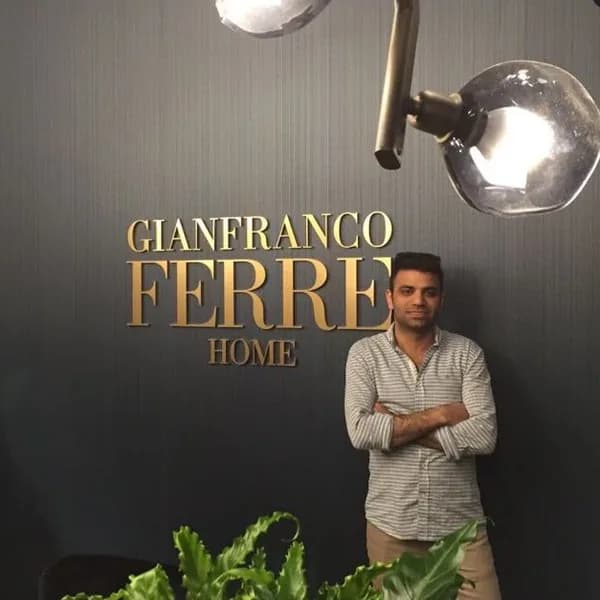
We are starting a series that tells the people behind a furniture brand. We are calling it "Minds Behind Archidecors." A brand lives on pages, appears in catalogues, gets delivered on projects, but behind all of it there is a person. That person wakes up early, leaves late, their phone never stops, and when a decision is made they give the final approval. In this series I will write about those people, their stories and their thinking. The first entry is mine, because the starting point of the story is not me. It starts with my father İbrahim Yeğen and the first step he took in 1981. Today Archidecors stands as a 2 dönüm (about 2000 m²) production facility in Modoko, and the root of it is right there.
1981: My Father İbrahim Yeğen and the First Step
Modoko in 1981 was a very different place from what it is today. A small number of small producers, narrow streets, most artisans working at the level of hand craft, industrialization had not yet touched the cluster. That was the year my father İbrahim Yeğen took his first step into the area. He started at workshop scale. One bench, a few master craftsmen, production matched to orders walking in through the door. Furniture in that period was a kind of apprenticeship economy: the master passed the work to the apprentice, the apprentice mastered it over years, and the work passing through their hands became the foundation of their own path.
His move from a workshop into a store did not happen overnight. He opened the store only when a circle of relationships had formed, when experience had built up, and when he had a collection in hand to offer. Three conditions had to be ready at the same time before he took the step. That approach became the foundation stone of our family philosophy: you do not move forward without knowing the environment, without having the product ready, and without earning the trust to look the customer in the eye.
The Founding Period: Three Structural Difficulties
Because we are a family business, the only person who can tell the details of that period first hand is my father. But I can state the three structural difficulties that the whole sector shared at the time.
First, economic instability. The 80s and 90s in Turkey were a high inflation and devaluation period. A customer could not pay the price they agreed a week before. A producer could not lock in a raw material cost three months ahead. Building long term relationships inside that uncertainty, giving confidence to the other side when quoting a price, was an art in itself.
Second, raw material supply. The fast and varied supply market of today, with countless veneer, fabric and hardware options, did not exist back then. Finding imported veneer took weeks, fabric was mostly limited to domestic production, European hardware existed in Istanbul only if a specific importer carried it.
Third, customer trust. Selling furniture to a family back then meant hours of conversation, visiting their home, knowing their children, even attending their wedding. The relationship came before the product. The discipline this culture brought still defines our way of working today: relationship first, product second, sale third.
Today: What We Produce 45 Years Later
The point we reached 45 years later can be summarized under three headings.
Domestic customer circles. The first circle brought new circles, carried over to children, then grandchildren. Today we serve second and third generation Yeğen customers: the son of a customer for whom we made a sofa group in the 90s walks through the same door in 2024 to furnish his new home. This chain is the hardest scale that measures a brand's value, because generations look back and question the choice of the previous one. The generations that chose us questioned us and chose us again.
Touching human life. A furniture piece is more than an object. The dining table sat around for decades by a family, a child's first bed, the grandmother's armchair, the console the son took with him from his father's home when he married and moved out. When we produce one piece we enter people's daily lives for decades. That sense of responsibility tightens every stage from the design decision to production discipline, from material selection to post delivery service.
Custom project value. The discipline of 1981 still stands today: every brief is one off, every piece is a single occasion. Katara Hills Hilton Doha with 12 villas and a 12 month FF&E delivery, loose furniture supply for the Grand Soho Hotel (NYC), dozens of villas and apartments in Istanbul. None of them came out of a catalogue, none of them were serial production. Behind each one there are stages of brief collection, 3D visualization, sample approval, production and installation. Custom project value lives right there: a piece sitting in a space and to a person to the millimeter.
From Workshop to Factory: Same Discipline, Different Scale
What changed and what stayed the same between the 1981 workshop room and the 2026 production facility? It is a question we hear often.
Let me say what changed first. The number of benches grew, CNC cutting, edge banding machines, climate controlled drying rooms, quality control stations were set up. Production volume reached the point where one piece could finish in 2 weeks instead of 4. Briefs that demand scale, like hospitality FF&E, can now be programmed under the same roof. Turkey's largest furniture cluster, the 3000 producers gathered around Modoko, the wood and marble suppliers next to our factory: this infrastructure did not exist in 1981.
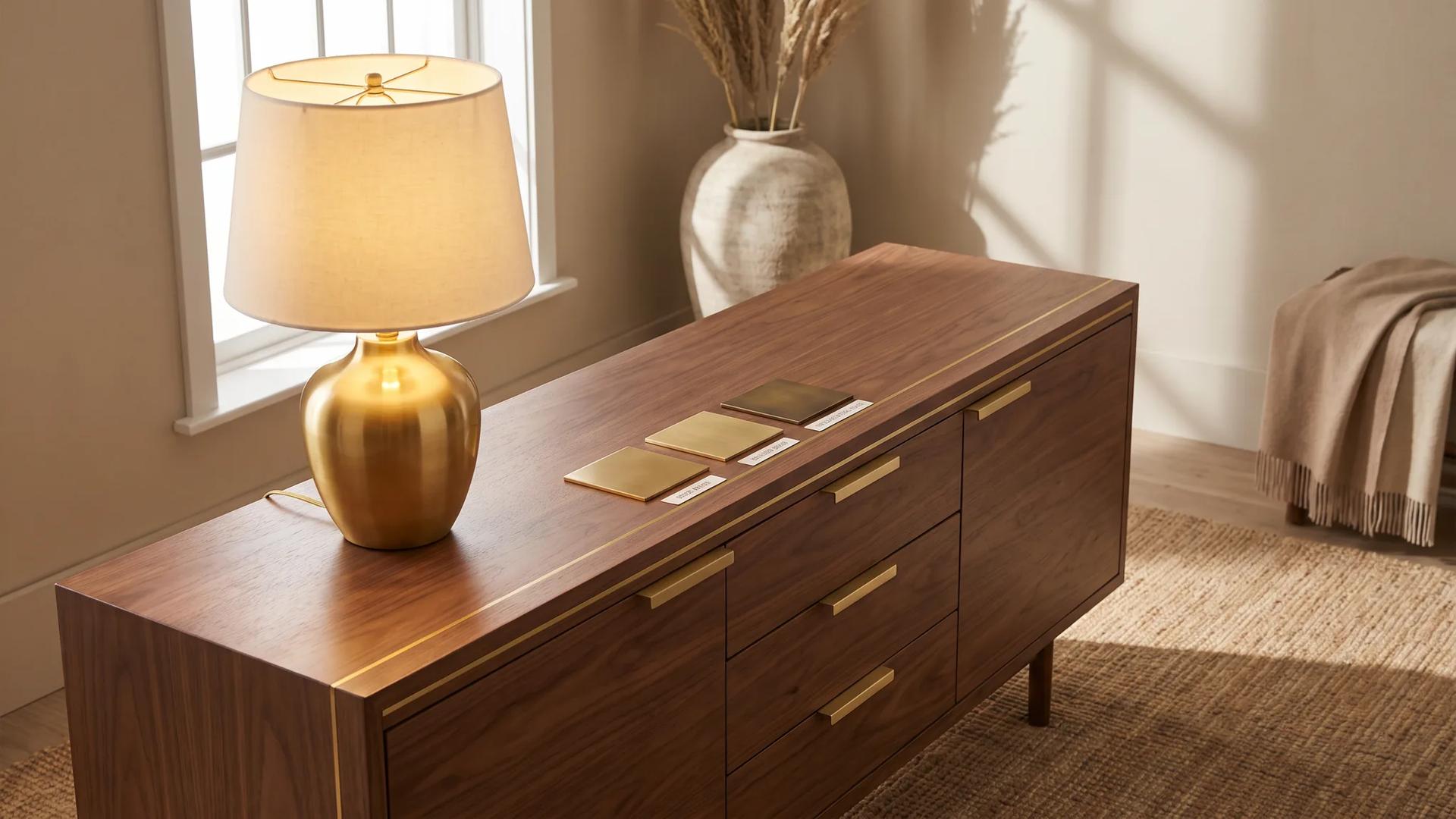
What did not change matters more. The first brief meeting still starts at the showroom or in the customer's home. Our measurement team still goes with a tape. Even though 3D renders come out of a computer, the approval process continues over coffee. The sample kit still arrives physically with the customer. At a wood joint a master craftsman still feels the surface with their finger. The service door still carries as much weight as the sales door: once a piece leaves us we keep running behind it.
The workshop was my father's starting point. The production facility is our position today. Between the two runs the line of "carrying handcraft discipline into scale," and that line has never broken.
One Sentence Philosophy
Furniture is a promise more than an object: it will last for years, it will become a part of your life, it will carry your story. We have been signing under that promise for 45 years; we hold the same pen for the next 45.
This series will continue. In the next entry I will write about Modoko's transformation from 1981 to today, the birth years of the sector, and which structural decisions led to which outcomes. You can always send your brief through the contact page; we come back within 24 hours.