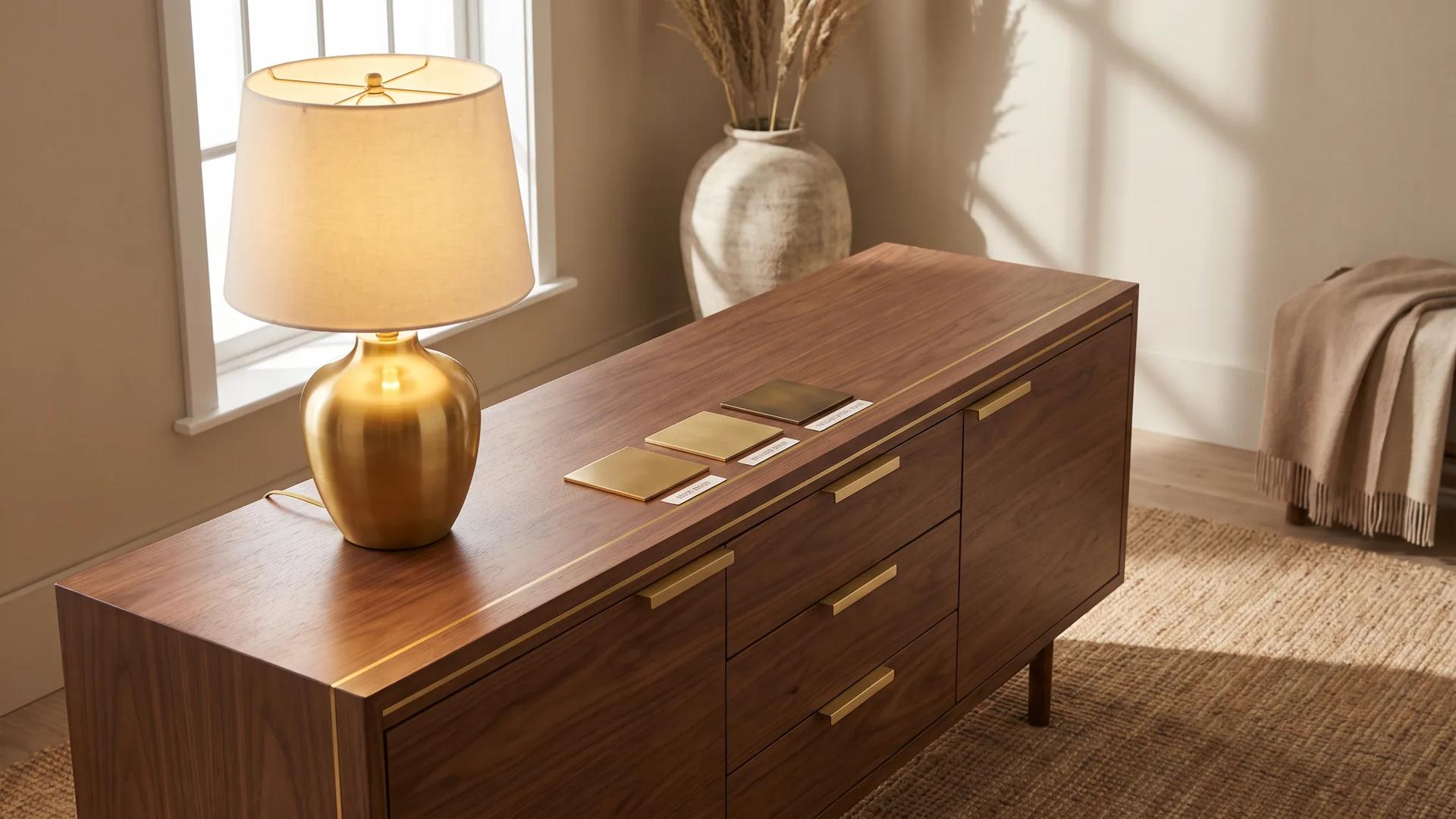
You bought new furniture, set it up, it looks great. Then the smell hits. Sharp, chemical, sometimes strong enough to give you a headache. "Is this normal?" you wonder. Short answer: yes, but how long it lasts and what you do about it matters.
We deal with these smells on the factory floor every day. And we constantly hear the same question from customers: "Is this harmful? When does it go away?" So let me explain it from a furniture maker's perspective.
Where Does the Smell Come From?
The technical term is VOC, Volatile Organic Compounds. Sounds scary, but the concept is simple: chemicals in the paint, varnish, and adhesives used during manufacturing evaporate at room temperature. That's the smell.
The main culprits:
- Paint and varnish, usually the biggest offender. Solvent-based (oil) paints smell much more, water-based ones are nearly odorless
- Adhesives, especially formaldehyde-based ones. Common in particleboard and MDF, virtually absent in solid wood
- Fabric and foam, some synthetic upholstery materials can also produce noticeable odor
Is It Actually Harmful?
No need to panic, but don't ignore it either. Short-term, it can cause headaches, eye irritation, and throat discomfort. Most people adjust after a few days. But here's the thing: in spaces where you spend long hours with doors closed, bedrooms, nurseries, you need to be more careful.
Children, pregnant women, and people with asthma are more sensitive. For them, extra ventilation is a must, take this seriously.
Long-term risks? With constant high-concentration exposure, serious health issues are possible. But for a normal piece of home furniture, there's no reason to panic. Ventilate properly and you'll be fine.
How Long Should You Wait by Paint Type?
Here's the practical part:
Solvent-based (oil) paints: Need 7-14 days of ventilation. These produce the harshest smell. Thinner-based, turpentine-based, serious chemicals. Epoxy and alkyd paints fall in this group too.
Water-based paints: 2-7 days is usually enough. Acrylic and latex paints fall here. For children's room furniture, always ask for water-based, we don't use anything else for kids' furniture.
Natural oils and wax: The gentlest option. Smell usually fades in 1-2 days. A great choice for solid wood furniture.
There's also polyurethane, available in both water and solvent versions. Great durability, but the solvent version smells quite a bit. And cellulosic paints dry fast but have high VOC levels, worth knowing.
How to Speed Up the Process
Open windows for the first few days, simplest and most effective method. If you open doors too, you create cross-ventilation, which clears things much faster.
Fans help. Run a standing fan in the room to increase air circulation. Activated carbon filters work well too, especially in winter when you can't keep windows open, place a few in the room.
There's the houseplant theory as well. Peace lilies and spider plants supposedly absorb VOCs, there are studies backing this up, but don't expect miracles. They help, they won't solve it alone.
One thing to watch: humidity increases VOC emissions. So on a rainy day with windows closed, rising humidity can make the smell more intense.
Bedroom Warning
If you've placed new furniture in your bedroom, try not to sleep there for the first week. I'm serious. Breathing in even low-level VOCs for 6-8 hours in a closed room isn't good.
Keep windows open all day for the first week. The smell starts fading in the second week, but keep the door open at night. For a child's room, be even more cautious, double the ventilation time.
What We Do About It
In production, we use low-VOC materials wherever possible. But let's be honest: zero VOC often means more expensive materials. For customers who request it, we apply 0% VOC certified finishes, this next-generation coating uses molecular bonding technology, completely eliminating harmful compounds. It costs a bit more, but for nurseries and bedrooms, it's worth every penny.
How to Get Rid of Particleboard and MDF Smell
That sharp particleboard and MDF smell is no accident. It comes from the formaldehyde and volatile organic compounds released by the glue that holds the board together. The release is at its strongest in the first weeks, then tapers off over the following months. The smell does fade completely, but how long it takes depends largely on the quality of the board and how well the room is ventilated.
The real fix starts at the board itself. An E1-class low-emission panel pulls the release down from the outset, and clean edge banding cuts the leakage from exposed surfaces significantly. These are invisible details that directly shorten the life of the smell. Our materials guide goes deeper into which board and veneer are the right choice for each use.
For furniture already in your home, the practical side is simple. Cross ventilation is the most effective move, opening opposite windows and letting the air flow through. Keeping the room's heat and humidity balanced steadies the release, and wiping surfaces dry rather than wet avoids trapping the moisture that locks in odor. Over the long run, solid wood and the right veneer give the cleanest result, because you reduce the smell at its source instead of chasing it afterward.
Frequently Asked Questions
Does paint smell harm you?
Solvent-based paint fumes contain VOCs (volatile organic compounds) that can cause headaches, eye irritation, throat irritation, and dizziness in the short term. Long-term high-level exposure is associated with respiratory and nervous system risks. Water-based paints release significantly fewer VOCs. A well-ventilated room clears most paint smell within 48-72 hours. Pregnant women, infants, and asthma sufferers should stay out of freshly painted rooms for 1-2 weeks.
Does varnish smell harm you?
Oil-based varnishes contain solvents like toluene, xylene, and formaldehyde that release strong VOCs for days. These can cause headaches, nausea, and dizziness. Water-based varnishes are drastically less toxic and clear faster. Keep the room ventilated for 7-14 days after varnishing, and avoid sleeping in the room for the first week.
How long does new furniture smell last?
In well-ventilated conditions, it usually clears in 2-4 weeks. In closed rooms with high humidity, it can last 2-3 months. Pressed wood (MDF, particleboard) releases formaldehyde for months. Solid wood furniture finished with water-based products is almost odorless. At Archidecors, we use low-VOC finishes, and for our 0% VOC certified option, the furniture has no smell on day one.
Can new furniture smell give you a headache?
Yes. High VOC concentrations can trigger headaches, especially in small, unventilated rooms. If you experience persistent headache, nausea, or dizziness from new furniture, ventilate heavily, move the furniture to a less-used room for the first weeks, or consult a doctor if symptoms continue.
How do you remove new furniture smell quickly?
Five methods accelerate VOC release: (1) Keep windows open 8+ hours daily for 2 weeks. (2) Place activated charcoal bags inside drawers and under the furniture. (3) Heat the room to 24-26°C, VOCs release faster at higher temperatures. (4) Use a HEPA+carbon filter air purifier. (5) Wipe surfaces with a mix of water + white vinegar. Avoid masking the smell with candles or sprays, that doesn't remove VOCs.