Last year a designer from Doha called and asked: "We have a villa brief in Qatar, twelve rooms. Italy quoted us, six months delivery, second round of belt-tightening on price. What changes if I come to Turkey?" That call did not last more than four minutes; a week later he was at our production facility in Modoko. Two months later the container landed at Doha port, and the villa was set up and delivered in the remaining two months.
The reason I am writing this article is not that conversation, the reason is this: sourcing furniture from Turkey is now one phone call away, but most of the world's buyers still oversize the process, no need. In 2024 Turkey exported 5.2 billion dollars of furniture to 185 countries. Modoko alone carries 35 percent of this story: a five square kilometer area, 3,000 manufacturers, its own material ecosystem, established export logistics. Yet for a buyer in Dubai, NYC, Mayfair or Mallorca, the process still starts with the question "how does this begin?" This guide is the answer to exactly that question.
Why Turkey, Three Numerical Reasons
The first is cost. An equivalent quality Calacatta dining table sits at a premium price point in Italy and is markedly more accessible in Modoko. A bouclé sectional sofa carries an upper segment tag in Milan and lands far more competitively in Modoko. This gap is not a fashion magazine sale, it is structural: Turkish unit labor cost is one third of Italian, rent is one quarter, raw material on Turkish marble is near zero (Afyon White, Marmara, Burdur Beige are all domestic). The 40 to 60 percent price advantage on a four bedroom villa equals a substantial saving, enough to fund the entire lighting and outdoor furniture package.
The second is time. While the Italian supplier quotes 16 to 22 weeks, the Turkish factory finishes the same work in 8 to 14 weeks. The reason is simple: in Modoko the material supplier is on the next street, the upholstery atelier is across the shop, the marble cutter delivers a sample within half a day from 200 meters away. In Italy the same materials come from three different regions, so logistics waiting stacks up. For a boutique hotel in Jeddah that must open in May this gap means "opening or delay."
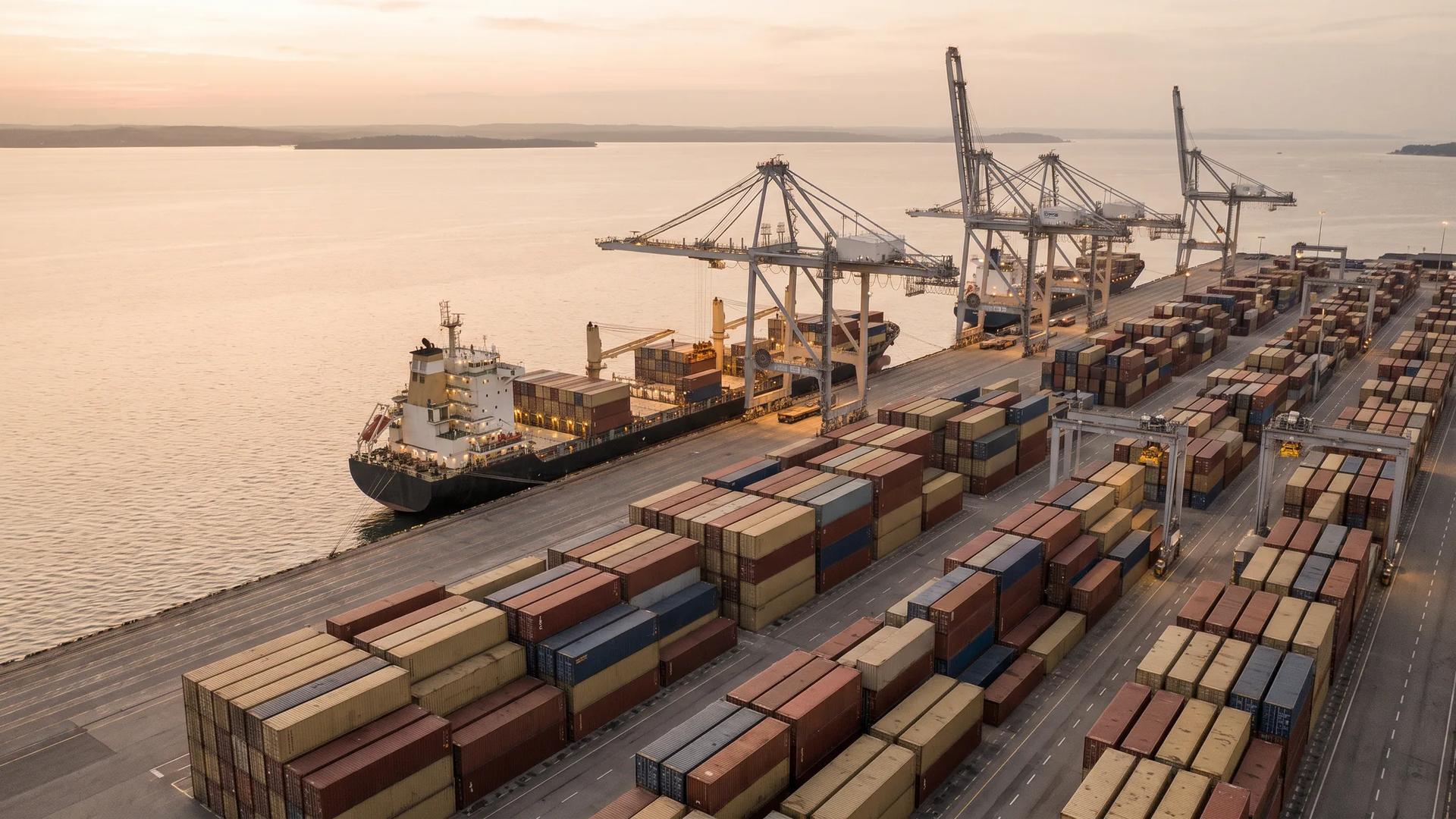
The third is logistics. Istanbul Port to Jebel Ali (Dubai) 5 to 8 days, Doha 5 to 8, NYC East Coast 14 to 21, Hamburg 3 to 5, Piraeus 2. From China the same destinations add 30 to 45 days. Turkish container lines (Arkas, MSC, CMA CGM) provide weekly service, and most Modoko factories have their own export documentation team. FOB Istanbul, CIF, DDP, all three terms are standard.
The Modoko Ecosystem, What Sits in Five Square Kilometers?
Modoko is an industrial estate in Umraniye on Istanbul's Asian side, where furniture manufacturers were brought together in the 1980s. Today it hosts more than 3,000 manufacturers. Maybe 200 of these are export grade: ISO 9001 certified, contract material literate, communicating in foreign languages, completing FOB documentation without gaps. The rest are smaller workshops producing for the domestic market or for Istanbul itself.
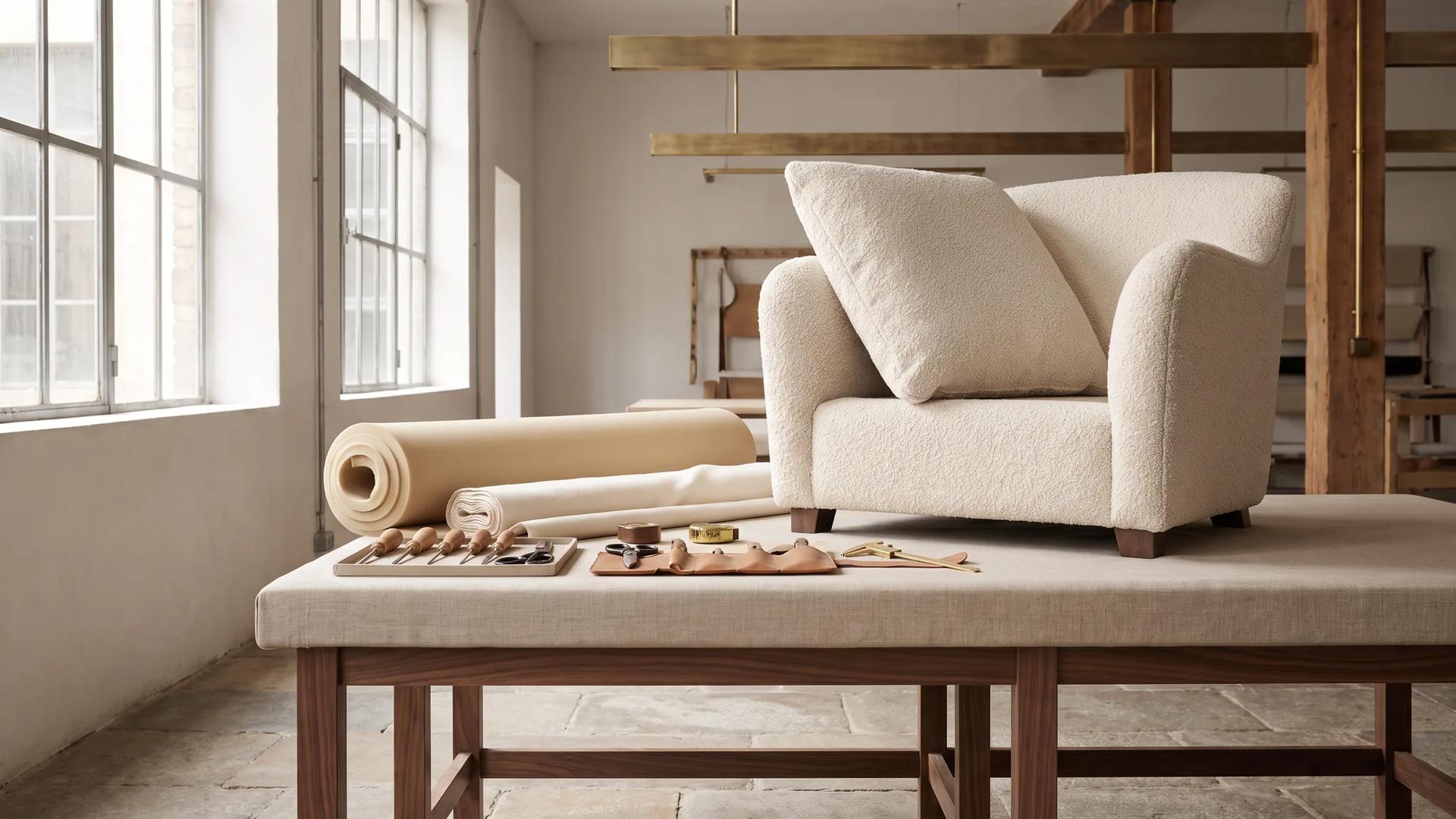
This concentration creates two large advantages. First, the material ecosystem: inside Modoko there are over 50 wood suppliers, 30 plus marble producers, 100 plus fabric warehouses, 20 plus brass and metalwork ateliers. When a villa brief arrives the project manager can collect samples of 15 different materials within three hours. Second, the talent pool: most masters working at Modoko factories are 20 to 30 year veterans, learning this trade through father to son transmission. A 0.4 mm marquetry cut has been done here since 1981; you cannot find that hand in Milan because that tradition lives in another continent's memory.
The Process, Six Steps to Source Furniture from Turkey
1. Brief Preparation (1 to 2 weeks, on the buyer side)
A good brief handles 40 percent of the manufacturer's work. Collect these: floor plan of the space (PDF or CAD), reference images you like (a Pinterest board works), dimensions (room width, length, ceiling), budget range (be realistic, a four bedroom villa brief needs a meaningful budget frame, no serious manufacturer works at a very low budget), delivery date, target destination (it affects the customs regime). Asking for quotes without these six pieces of information wastes time.
2. Manufacturer Shortlist (1 week)
Get quotes from 3 to 5 manufacturers, more blurs the decision. Look at: do they have their own factory (showroom-factory separation is critical, avoid broker firms), how many years (15 plus minimum), which references can you verify (international project undisclosed by client name is suspicious), are 3D renders free (standard among quality manufacturers), can they quote FOB, CIF and DDP all three. Out of 200 export grade manufacturers in Modoko, 5 are listed on Architonic, 20 on Europages, 10 on Houzz Pro Trade Network. The list is not long, finding the right door is half a day of work.
3. 3D Concept and Technical Drawing (3 to 5 weeks)
After the brief is approved a serious manufacturer produces a photorealistic 3D render in 2 to 3 weeks; most firms keep 3 to 5 revision rounds free. At this stage you should see 2 to 3 alternative concepts; a single option means the manufacturer is packaging you. Once 3D is approved technical drawings come (dimensions, material spec, fabric code, hardware brand and model), this document becomes an annex to the production contract. Request a sample kit: marble plate cuts (small blocks 3 to 5 cm thick), wood veneer pieces, fabric swatches, brass finish chips. The sample shipment takes 7 to 10 days to international destinations and should be free.
4. Contract and Payment (2 to 4 days)
Typical payment schedule: 30 percent on order confirmation (production opens), 40 percent on sample approval (3D plus first physical piece), 30 percent before shipment (before the container is loaded). Letter of Credit is standard for export projects, requested on every larger quote above a certain volume. For a buyer purchasing from Turkey for the first time, escrow services (TradeGuard, PayMate and similar) provide a layer of trust. The contract must include: delay penalty (0.5 to 1 percent per week, capped at 10 percent), quality rejection procedure (right to inspect before shipment), warranty period (5 years structural standard, 2 years upholstery, 10 years marble), revision rights (manufacturer covers small fabrication errors).
5. Production and Quality Control (8 to 14 weeks)
Write weekly photo reports into the contract for the production phase. Most Modoko factories send through WhatsApp Business. Three checkpoints are critical: material approval (when marble plate, wood block, fabric roll arrives at the factory, photographic verification), prototype approval (physical inspection or video call when the first piece is produced), pre-shipment inspection (final QC of all pieces before packing). If you want to hire an independent inspector, Bureau Veritas, SGS and Intertek all visit Modoko, a one day inspection is a relatively low cost. On larger scale projects this expense pays for itself many times over.
6. Container Loading, Shipment, Customs, Installation (3 to 6 weeks)
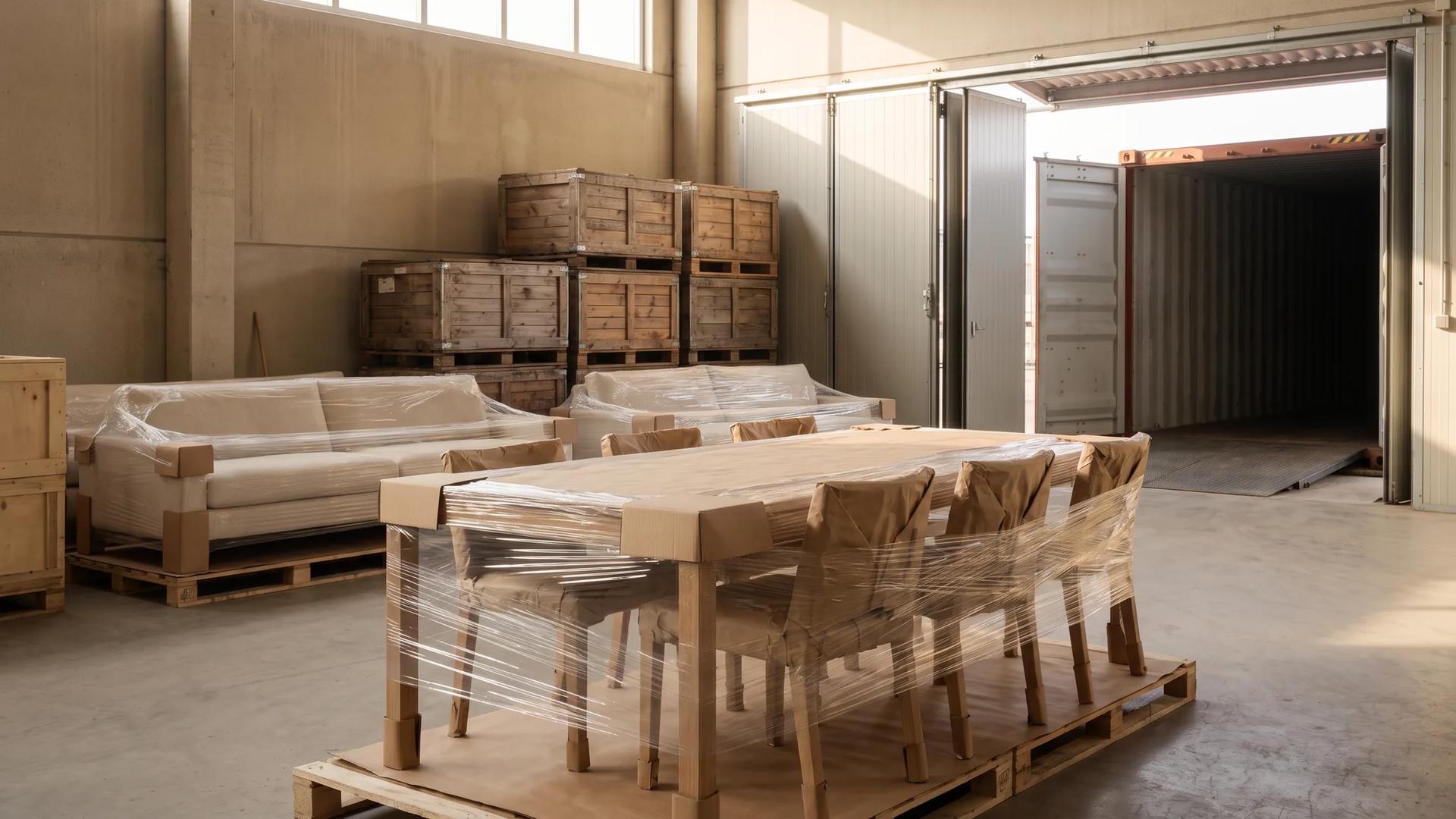
A 40 ft container typically holds 1 to 2 containers worth for a four bedroom villa (between 30 and 50 pieces). Loading supervision should be on video; the "wrong crating" issues that occur on China imports are far less common with Turkish factories but the safeguard is still required. Shipment time is 3 to 21 days depending on destination. After arrival, customs (HS code 9403 furniture category, 0 to 2.5 percent duty for USA, 5 percent VAT in GCC, bilateral agreement terms for the EU). If you bought DDP terms, the manufacturer handles all customs, you only receive. Installation: 2 to 4 days of professional installation team for a four bedroom villa, most Turkish manufacturers can send the installation team to international destinations, added as a separate installation line item to the project.
Five Common Mistakes and How to Avoid Them
Mistake 1, Buying from a broker firm. Not every firm with a website in Modoko is a factory owner; many are traders. Detection method: request a factory tour (Zoom works), a real manufacturer opens a slot within 24 hours. A trader makes excuses.
Mistake 2, Asking for a quote from a single manufacturer. Without 3 to 5 quotes you do not know the price range. In Turkey there can be a 30 to 50 percent gap on the same brief, this is your chance to spot the traders.
Mistake 3, No delay penalty in the contract. Turkish factories mostly deliver on time but 20 percent slip. Without a penalty, you are paying (the hotel opening is 2 weeks late, lost revenue).
Mistake 4, Skipping the sample kit before production. Calacatta marble looks the same in digital, but in a physical plate the vein pattern differs from each block. What you receive may look 50 percent different, control this through samples.
Mistake 5, Skipping pre-shipment inspection. Once the container is closed, there is no return. An independent inspector (Bureau Veritas, SGS) acts like insurance at a relatively small budget.
Cost Framework, for the International Buyer
For a 4 bedroom, 400 to 500 m² luxury villa, with furniture plus decor plus logistics included, the budget sits in three typical segments:
- Entry / accessible segment: Turkish marbles, local wood, standard custom sizing, FOB Istanbul terms.
- Mid segment: Imported Calacatta included, PVD brass detail, premium fabrics, CIF destination terms.
- Upper segment: Designer led high concept, ebony veneer, imported special materials, DDP delivered to villa.
Whichever segment you sit in, the price includes: brief, 3D render, technical drawings, production, packaging, shipment, customs (for DDP), installation (for DDP). Designer fee additional (10 to 15 percent of furniture budget). Inspection is calculated as a separate line item. For a precise and current price tailored to your project, send your brief and we deliver a quote within 24 hours.
Three Advantages of Turkish Furniture in the World Market
Marble capacity. Turkey is the 4th largest marble producer in the world. Afyon White (luxury villa standard), Marmara White (an economical alternative similar to Calacatta), Emperador Light (a Turkish counterpart to imported Italian Emperador at one third the price), Elazığ Cherry (a 2026 rising star). Modoko factories cut these materials in their own ateliers and deliver, no need for a middleman.
Marquetry and special wood. High craft techniques like bookmatched veneer, marquetry and ebony veneering live in Modoko. The number of ateliers doing this work in Italy has dropped, while Turkey still has 50 plus masters. A marquetry dining table cannot be ordered from Italy because it is unavailable, or it waits 6 months; in Turkey 8 to 10 weeks.
Hospitality FF&E scale. A single manufacturer can fulfill a 100 to 300 room hotel order at simultaneous capacity. There are 30 plus manufacturers on Hilton, Marriott, IHG and Accor approved supplier lists in Turkey. Reference projects like Grand Soho NYC, Katara Hills Hilton Doha are verifiable.
Frequently Asked Questions
Do I need to speak Turkish to buy furniture from Turkey? No. Among export grade manufacturers in Modoko, English is the primary communication language. In our team all project managers speak English, and a portion speak Arabic. Send the brief in English, the response comes in English.
How does Turkish lira fluctuation affect me? If you sign the contract in USD or EUR, you are not affected. All Turkish manufacturers quote international projects in USD or EUR; TRY pricing is only for the local market.
How does the warranty work after delivery, in another country? The standard 5 year structural warranty is internationally valid. If a piece has a problem, report it with a photo, the manufacturer offers a solution within 14 days (sends a technician for on site repair or ships replacement parts, in most cases shipping cost is on the manufacturer).
If I receive the sample kit do I have the right not to order? The sample kit is free or very low cost (only a nominal shipping fee). It does not need to be returned if you do not order. This is part of the manufacturer's customer acquisition strategy.
Is Turkey suitable for smaller (1 to 2 room) projects? Yes but with care: container economics is optimized for 30 plus pieces. For 5 to 10 pieces a consolidator (LCL, less than container load) service is used, the per unit logistics cost goes up. A single bedroom of furniture adds a noticeable logistics premium. Turkey is still economical for 1 to 2 rooms but the 40 to 60 percent advantage margin can narrow to the 20 to 30 percent band.
Sourcing furniture from Turkey is no longer an esoteric process in 2026. The door is found in half a day of research for an international designer, hotelier or villa owner. Send your brief through the contact page, and if you want to see the production facility, the Modoko address is on the about page. We hope the next container is yours.